

Test Your Solar Lighting Knowledge
As we embrace 2025, the trend toward sustainable outdoor lighting continues to grow, with DIY solar light projects leading the way in creative and eco-friendly home improvement. Whether you’re looking to enhance your garden’s ambiance, increase security, or reduce your carbon footprint, solar-powered lighting offers endless possibilities for innovation and personal expression.
Why Choose DIY Solar Light Projects?
The appeal of creating your own solar light installations extends beyond mere cost savings. According to the U.S. Department of Energy’s recent report, homeowners can save up to 80% on outdoor lighting costs by switching to solar solutions. As environmental consciousness grows, homeowners and businesses alike are discovering the multiple benefits of DIY solar lighting:
- Energy Independence: Generate your own lighting power without increasing utility bills
- Environmental Impact: Reduce carbon footprint while creating beautiful outdoor spaces
- Creative Freedom: Customize designs to match your specific aesthetic preferences
- Scalability: Start small and expand your lighting system over time
- Learning Opportunity: Gain valuable skills in sustainable technology
Research from the Environmental Protection Agency’s Energy Star program shows that residential solar installations have increased by 40% since 2023, reflecting growing interest in sustainable home improvements.
DIY solar light projects can lead to significant cost savings compared to professional installations or traditional electrical lighting. Here’s a breakdown of potential savings:
Cost Comparison
Let’s compare a typical DIY solar light setup to a traditional electrical system:
| Aspect | DIY Solar | Traditional Electrical |
|---|---|---|
| Initial Cost | $250 – $850 | $1,500 – $7,500 |
| Installation | Self-installed | $750 – $6,000 |
| Annual Energy Cost | $0 | $60 – $150 |
| 10-Year Total Cost | $250 – $5,000 | $2,850 – $15,000 |
By choosing DIY solar lights, you can save thousands of dollars over your outdoor lighting system’s lifetime while contributing to a more sustainable future.
Understanding Solar Light Basics
The National Renewable Energy Laboratory emphasizes that understanding basic components is crucial for successful solar lighting projects. These systems typically consist of four main components:
- Solar Panels: Convert sunlight into electrical energy
- Batteries: Store energy for nighttime use
- LED Lights: Provide efficient illumination
- Light Sensors: Automate operation based on ambient light levels
“The key to successful solar light projects lies in understanding these basic components and how they work together,” explains Sophia Zhu, Couleelight’s Lead Product Developer. “This knowledge helps ensure optimal placement and performance of your lighting system.”
Choosing the Right Components
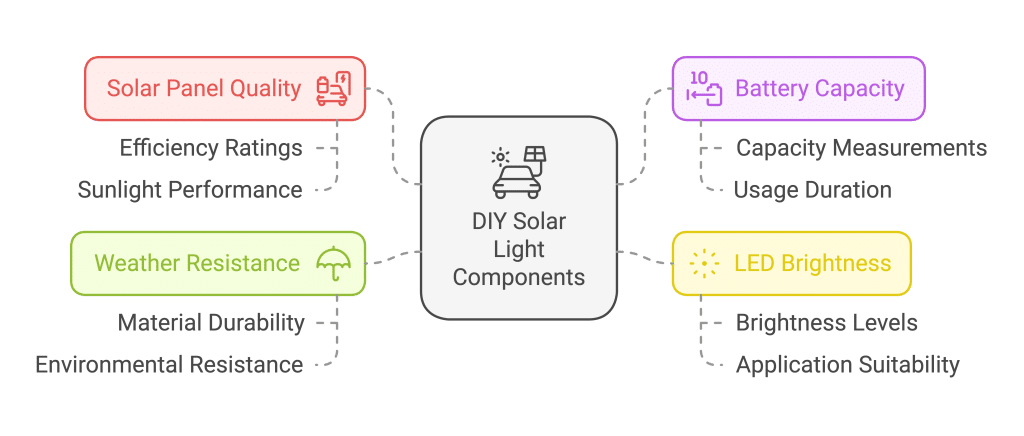
According to the International Solar Energy Society’s latest guidelines, when selecting materials for your DIY solar light projects, consider:
- Solar Panel Quality: Higher efficiency panels perform better in limited sunlight
- Battery Capacity: Larger batteries provide longer illumination times
- LED Brightness: Match light output to your specific needs
- Weather Resistance: Ensure components can withstand outdoor conditions
Essential DIY Solar Light Projects
According to a recent study by the Home Improvement Research Institute, 78% of homeowners prefer eco-friendly DIY projects that can be completed within a weekend. Here are some of our most popular and effective solar lighting projects that match these criteria.
1. Mason Jar Solar Lanterns
These charming lanterns combine vintage aesthetics with modern solar technology. The American Society of Landscape Architects recognizes them as one of the top trending DIY lighting solutions for 2024-2025.
Materials Needed:
- Mason jars (wide-mouth recommended)
- Solar light kits
- Weather-resistant adhesive
- Decorative elements (optional)
Step-by-Step Instructions:
- Remove the solar light’s stake and insert it into the jar lid
- Secure the solar panel using weather-resistant adhesive
- Add decorative elements like fairy lights or glass beads
- Place in sunny locations around your entertaining area
💡 Pro Tip:
For optimal performance, clean the solar panels monthly with a soft, damp cloth. According to our maintenance specialists, this simple step can improve efficiency by up to 25%.
2. Solar Chandelier
Create a stunning focal point for your outdoor dining area with this sophisticated project. A report from Landscape Architecture Magazine highlights how suspended solar lighting can transform outdoor spaces while maintaining energy efficiency.
Materials Needed:
- Wooden or metal hoop (16-24 inch diameter)
- Solar string lights
- Decorative elements (crystals, beads, etc.)
- Strong mounting hardware
3. Solar Pathway Markers
Transform your garden pathways with these elegant and practical lighting solutions. The Outdoor Lighting Association recommends spacing pathway lights 6-8 feet apart for optimal illumination and aesthetic appeal.
Safety Considerations
Before starting any DIY lighting project, consider these essential safety guidelines from the Consumer Product Safety Commission.
- Ensure all mounting surfaces can support the weight of your installations
- Use weather-rated equipment for outdoor installations
- Keep solar panels clear of debris and overhanging branches
- Follow manufacturer guidelines for battery replacement and maintenance
Installation and Placement Guide
Proper installation and strategic placement are crucial for maximizing the performance of your solar lights. The Solar Energy Technologies Office reports that correct positioning can improve solar light efficiency by up to 40%.
A. Proper Installation Techniques
1. Determining Optimal Sun Exposure
According to research from the National Renewable Energy Laboratory, solar panels should receive at least 6 hours of direct sunlight daily for optimal performance. Consider these placement factors:
- Direction: South-facing installations receive maximum sunlight in the Northern hemisphere
- Shade Patterns: Map sun patterns throughout the day
- Seasonal Changes: Account for varying sun angles across seasons
💡 Do Solar Lights Need Direct Sunlight?
2. Correct Spacing Between Lights
The Illuminating Engineering Society recommends specific spacing guidelines for different lighting applications:
- Pathway Lights: 6-8 feet apart
- Security Lights: 10-12 feet apart
- Accent Lights: 4-6 feet apart
B. Strategic Placement Tips
1. Calculating Required Lumens
The Department of Energy’s lighting guidelines suggest the following lumens per square foot:
- Pathways: 10-20 lumens
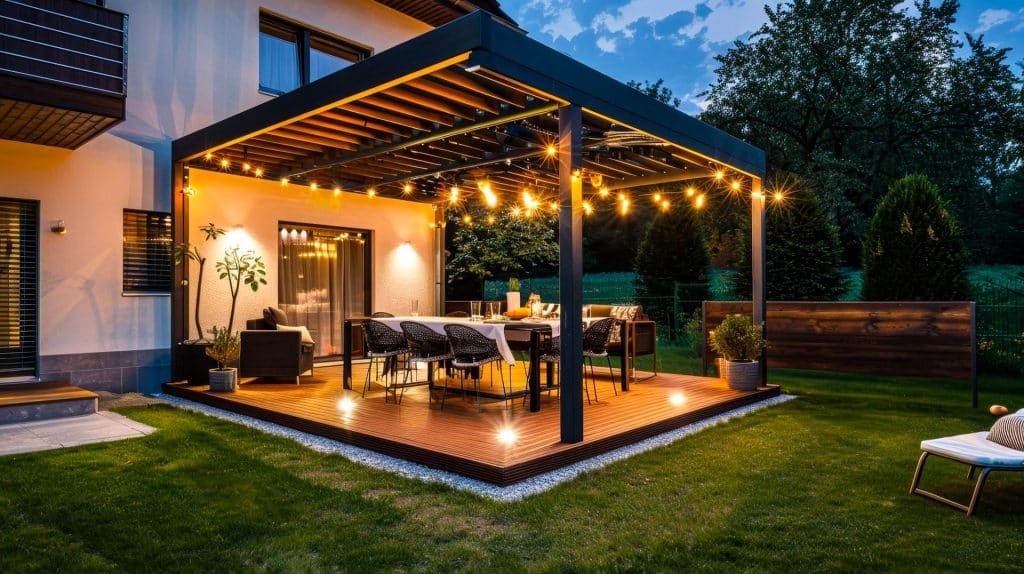
- Entertainment Areas: 20-30 lumens
- Security Lighting: 50-75 lumens
💡 How Many Lumens Should a Good Solar Light Have?
2. Wire-Free vs. Hybrid Solutions
The American Lighting Association outlines the benefits of different installation approaches:
| Wire-Free Solar | Hybrid Systems |
|---|---|
| Easy installation | Consistent power backup |
| Zero energy costs | Higher brightness options |
| Complete mobility | Year-round reliability |
3. Weather Considerations
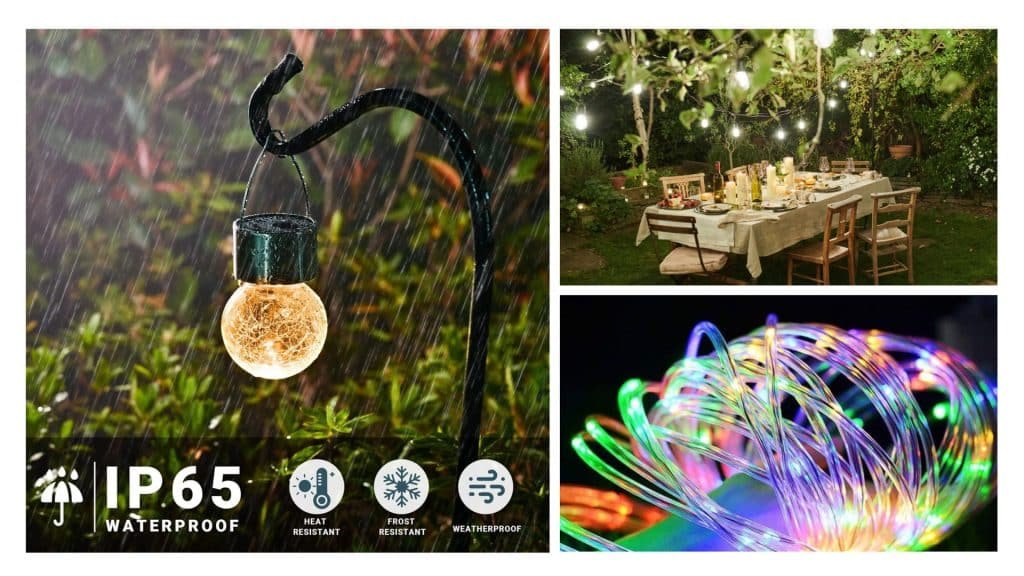
Protect your investment by considering these weather-related factors:
- Install lights 6-8 inches above expected snow levels
- Use waterproof connections rated IP65 or higher
- Consider wind resistance for elevated installations
Maintenance and Troubleshooting
According to the Solar Energy Industries Association, proper maintenance can extend the life of solar lights by up to 50%. Let’s explore essential maintenance practices and solutions to common issues.
A. Regular Maintenance
1. Cleaning Solar Panels
The National Renewable Energy Laboratory recommends these cleaning practices:
- Clean panels monthly with mild soap and water
- Use soft cloths or sponges to avoid scratching
- Remove debris and dust regularly
- Check for and clear any snow accumulation
🌟 Recommended: Try the professional solar panel cleaning method for optimal results.
2. Battery Maintenance
The Institute of Electrical and Electronics Engineers outlines these battery care guidelines:
- Replace rechargeable batteries every 2-5 years
- Clean battery contacts quarterly
- Store spare batteries in a cool, dry place
- Check battery compartments for corrosion monthly
B. Common Problems and Solutions
1. Lights Not Working or Dim
| Problem | Solution |
|---|---|
| Lights won’t turn on | Check if the auto/manual switch is on Ensure batteries are properly seated Verify solar panel is clean and unobstructed |
| Dim lighting | Clean solar panels Replace old batteries Adjust panel angle for better sun exposure |
2. Extending Battery Life
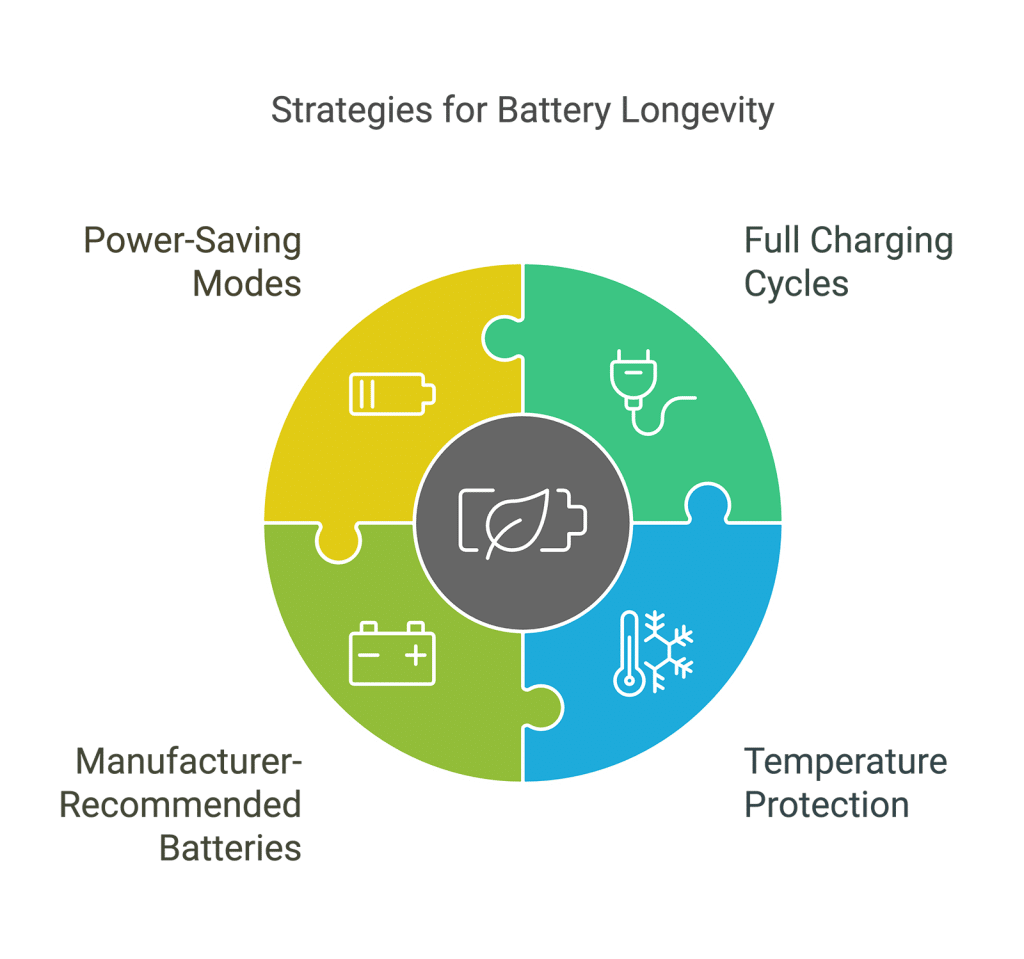
Research from the Department of Energy suggests these strategies for maximizing battery performance:
- Allow full charging cycles during first use
- Protect from extreme temperatures
- Use manufacturer-recommended battery types
- Enable power-saving modes when available
Seasonal Maintenance Schedule
The American Society of Landscape Architects recommends this maintenance timeline:
- Spring: Deep clean panels, check for winter damage
- Summer: Monitor charging efficiency, clean regularly
- Fall: Adjust angles for lower sun position
- Winter: Clear snow, check waterproof seals
Advanced Tips and Future Trends
As solar technology continues to evolve, the Environmental Protection Agency projects that DIY solar lighting will play an increasingly important role in sustainable home improvement. Let’s explore some advanced optimization techniques and upcoming trends.
A. Maximizing Performance
1. Smart Integration
- Connect solar lights to home automation systems
- Use motion sensors for enhanced efficiency
- Implement automated scheduling
2. Performance Optimization
According to Smart Home Energy Magazine, these advanced features can improve efficiency by up to 35%:
- Remote monitoring capabilities
- Weather-adaptive brightness control
- Energy consumption tracking
Featured Smart Solutions:
Explore our Smart Solar Collection for the latest in automated lighting technology.
Conclusion
Environmental Impact
The World Green Building Council reports that solar lighting can reduce outdoor lighting energy consumption by up to 90%. By implementing the DIY projects and maintenance tips outlined in this guide, you can:
- Reduce your carbon footprint
- Lower energy costs
- Create sustainable outdoor spaces
Potential Annual Savings:
- Energy Costs: Up to $300
- Maintenance: Up to $150
- Bulb Replacement: Up to $100
*Based on average household usage data from the Department of Energy
Next Steps
Ready to start your solar lighting journey? Here’s how to proceed:
- Assess your outdoor space and lighting needs
- Choose your first DIY project from our guide
- Gather necessary materials and tools
- Follow our step-by-step instructions
- Join our community for ongoing support
Get Started Today
Need expert advice? Contact our team:
- 📧 Email: info@couleelight.com
- 📞 Phone: +1 737 702 0119
- 💼 Connect on LinkedIn
Join Our Community
Share your DIY solar lighting projects and connect with fellow enthusiasts:
- Subscribe to our YouTube channel for weekly tutorials
- Follow us on LinkedIn for industry updates
- Sign up for our newsletter for exclusive tips and offers