
Quick Summary: High-efficiency solar control boxes are revolutionizing outdoor decoration by providing sustainable, smart power management for various lighting solutions. This comprehensive guide helps you understand key features, compare options, and make an informed decision for your outdoor lighting needs.
Key Takeaways Table
| Feature | Benefit | Impact |
| Smart Sensors | Automatic operation & energy optimization | Up to 45% improved efficiency |
| Weather Resistance | Year-round reliability | IP65 waterproof rating |
| Remote Control | Convenient management | Customizable settings |
| Dual Power Sources | Uninterrupted operation | Backup power options |
Understanding Solar Control Boxes
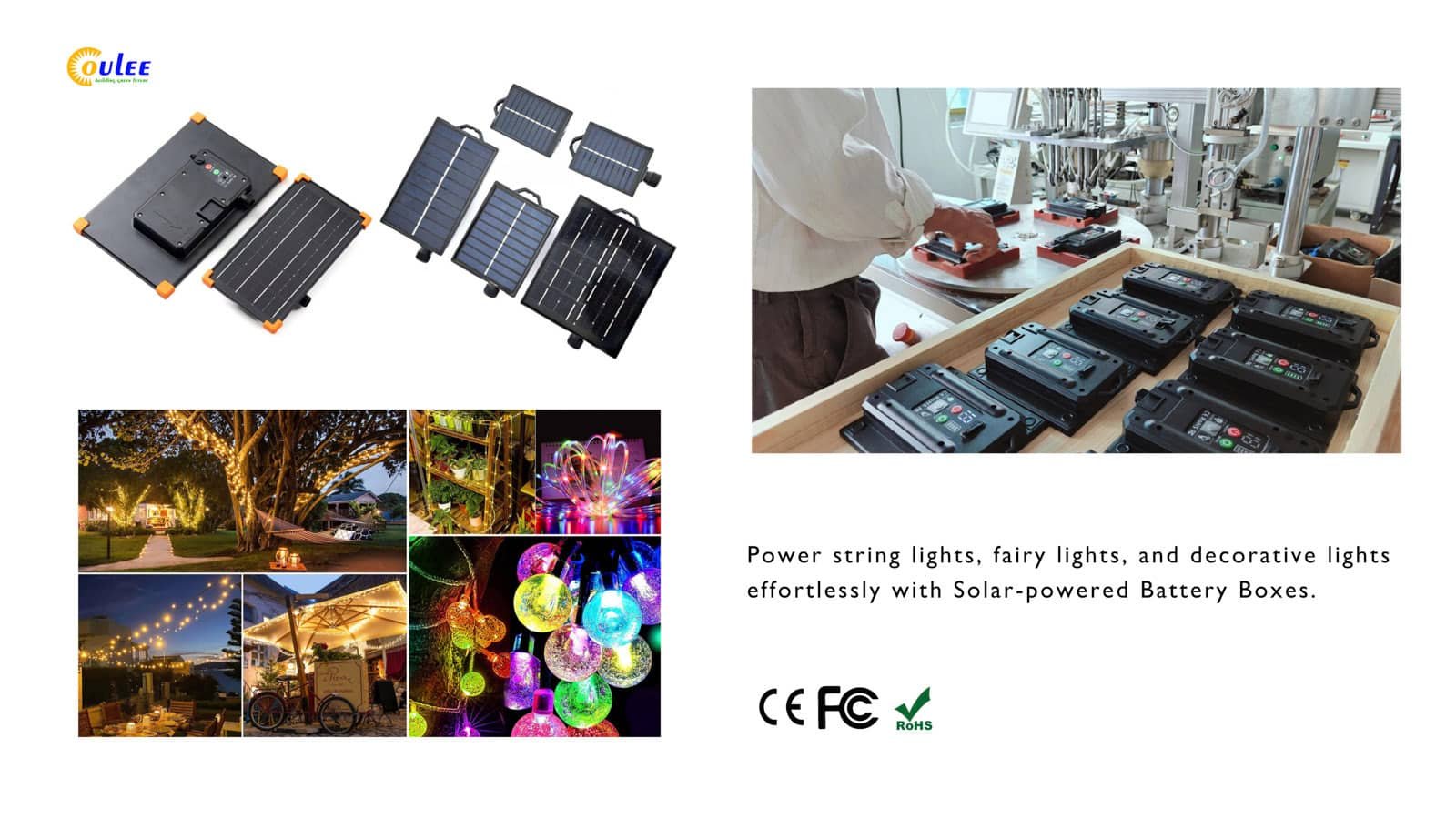
Solar control boxes serve as the brain of your outdoor lighting system, managing power flow between solar panels, batteries, and your decorative lights. These innovative devices have transformed how we illuminate outdoor spaces, offering both sustainability and sophisticated control options.
What Are Solar Control Boxes?
A solar control box is an intelligent power management system that:
- Regulates energy flow from solar panels
- Stores excess power in batteries
- Distributes electricity to connected lighting fixtures
- Protects against overcharging and power surges
Benefits for Outdoor Decor
Modern solar control boxes offer several advantages for outdoor decoration:
- Energy Independence: Harness free solar power for continuous operation
- Smart Management: Automated controls optimize power usage
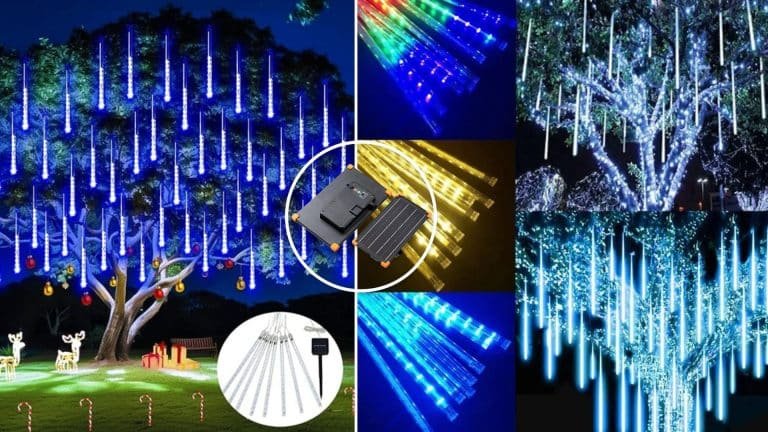
- Versatile Applications: Support multiple lighting types and patterns
- Cost Savings: Reduce or eliminate electricity bills for outdoor lighting
Key Components and Functionality
Understanding the core components helps make an informed purchase decision:
- Solar Panel Interface: Connects to and manages solar panel input
- Battery Management: Controls charging and discharging cycles
- Output Controllers: Regulate power distribution to lighting fixtures
- Smart Sensors: Monitor environmental conditions and adjust performance
Essential Features to Consider
Efficiency Ratings and Power Output
When evaluating solar control boxes, efficiency ratings are crucial:
- Look for conversion efficiency above 20%
- Check maximum power output capacity
- Verify battery storage capacity
- Consider charging time requirements
Smart Sensors and Automation
Modern solar control boxes incorporate various sensors:
- Light Sensors: Automatically activate at dusk
- Temperature Monitors: Protect system from overheating
- Weather Sensors: Adjust performance based on conditions
Weather Resistance and Durability
For reliable outdoor performance, ensure your solar control box offers:
- IP65 or higher waterproof rating
- UV-resistant housing
- Operating temperature range of -20°C to 60°C
- Corrosion-resistant connections
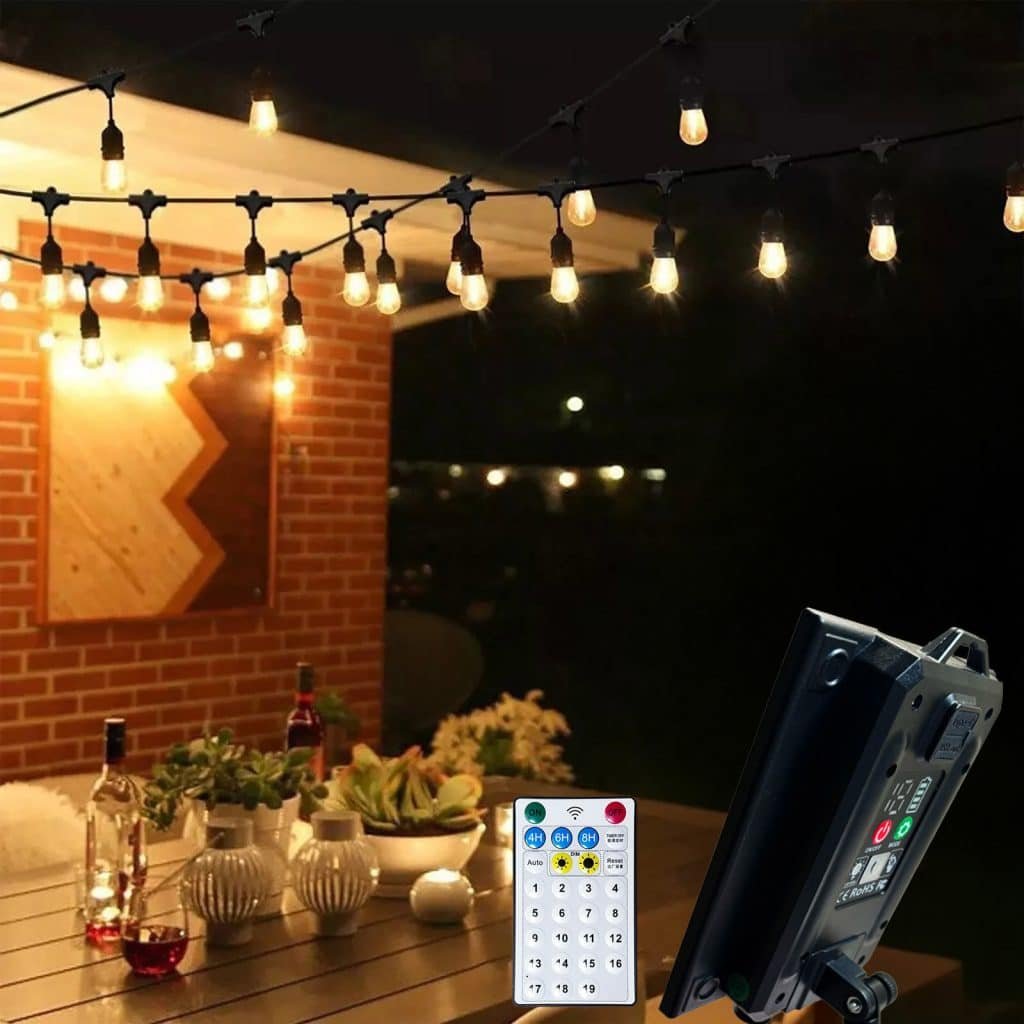
Remote Control Capabilities
Look for smart features that enhance user experience:
- Mobile app integration
- Timer functions
- Multiple lighting modes
- Brightness adjustment options
Industry Standards Compliance
Professional solar control boxes should meet or exceed these key standards:
| Certification | Description | Importance |
|---|---|---|
| CE Certification | European safety and environmental standards | Essential for international trade |
| RoHS Compliance | Restriction of hazardous substances | Environmental safety |
| IP65 Rating | Weather and dust protection | Outdoor durability |
| FCC Certification | Electronic device safety standards | Required for US market |
Applications and Use Cases
Understanding how solar control boxes can enhance different settings helps in selecting the right system for your needs. Let’s explore various applications where these devices excel.
Residential Applications
Modern homes benefit from solar control boxes in numerous ways:
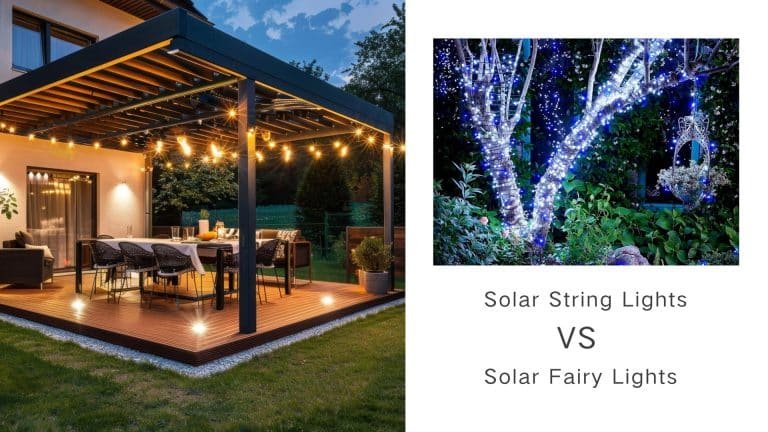
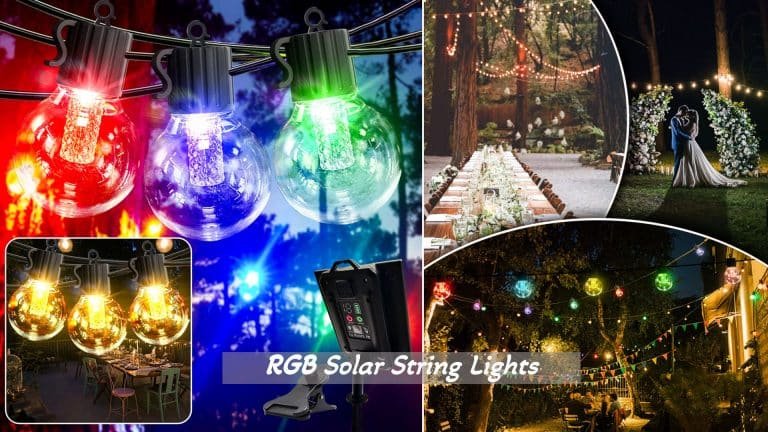
Creating Ambient Outdoor Living Spaces: Transform patios, decks, and gardens into inviting retreats with programmable lighting scenes. The advanced control systems allow homeowners to adjust brightness and colors to match any occasion, from quiet evenings to lively gatherings.
Pool and Landscape Enhancement: Illuminate water features and landscaping with reliable, cost-effective lighting solutions. Solar control boxes ensure consistent performance while eliminating the need for complex electrical installations.
Security Integration: Many systems now incorporate automated scheduling, providing both decoration and security benefits. This dual functionality makes them particularly valuable for homeowners focusing on both aesthetics and safety.
Commercial Settings
Businesses find particular value in high-efficiency solar control boxes:
Restaurant and Retail Ambiance: Create welcoming outdoor dining areas and storefront displays that attract customers while managing energy costs effectively. The ability to program different lighting scenes for various times of day helps maintain the perfect atmosphere.
Hotel and Resort Landscapes: Large-scale implementations across sprawling properties benefit from centralized control and minimal maintenance requirements. The remote management capabilities allow staff to adjust lighting across entire properties from a single interface.
Corporate Campus Integration: Office complexes can maintain professional appearances while demonstrating environmental responsibility. The advanced scheduling features ensure appropriate lighting during business hours while conserving energy during off-hours.
Installation and Setup Guide
Proper installation ensures optimal performance and longevity of your solar control box system.
Location Selection
Choose your installation location based on these critical factors:
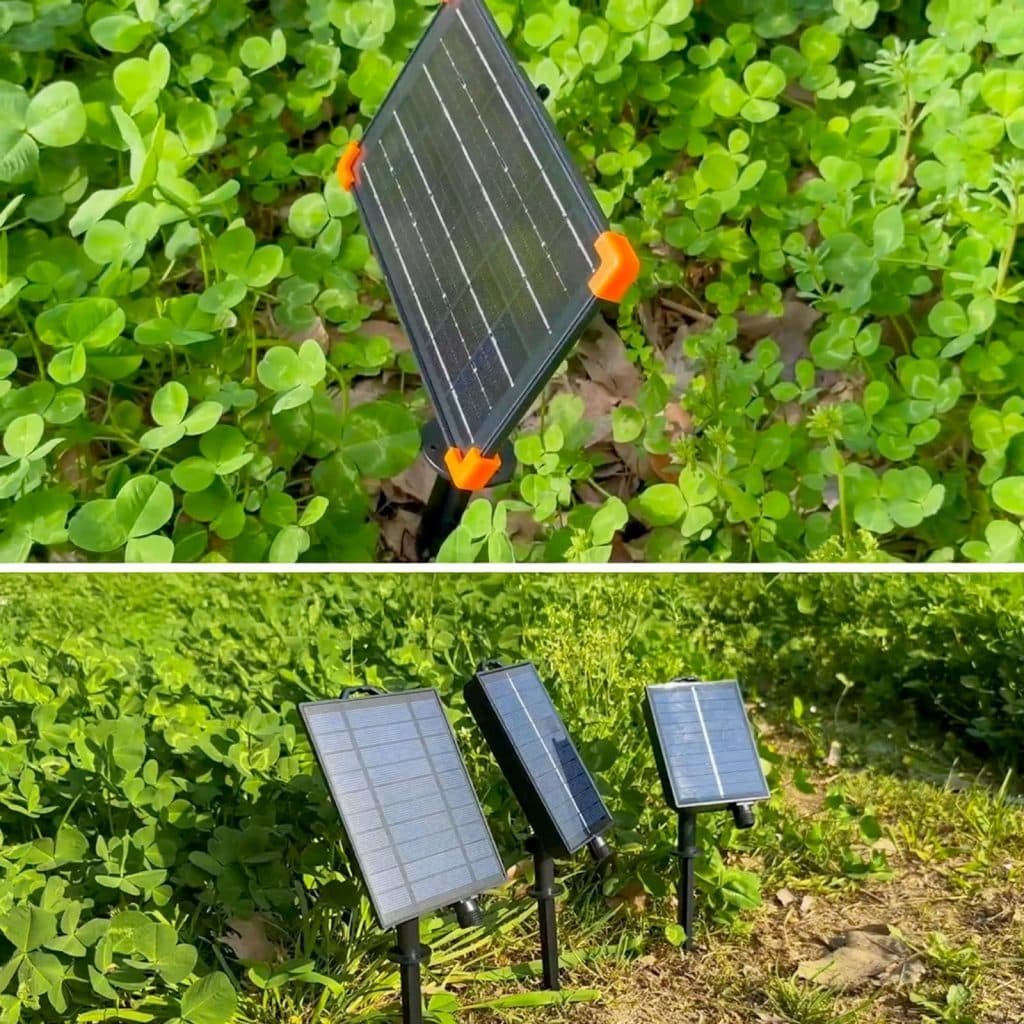
Maximum Sun Exposure: Position solar panels where they receive 6-8 hours of direct sunlight daily. Consider seasonal sun patterns and potential obstacles like trees or buildings.
Weather Protection: While systems are weather-resistant, placing control boxes in partially sheltered areas extends their lifespan. Ensure adequate ventilation to prevent overheating.
Accessibility: Mount control boxes where they can be easily accessed for maintenance while remaining secure from tampering.
Connection Process
Follow these steps for proper system integration:
- Solar Panel Connection: Install panels first, ensuring proper angle and orientation for maximum sun exposure.
- Battery Installation: Connect batteries following manufacturer polarity guidelines.
- Control Box Mounting: Secure the control box in its predetermined location.
- Light Fixture Integration: Connect all lighting elements according to the provided wiring diagram.
- System Testing: Verify all connections and test functionality across all operating modes.
Cost Analysis and ROI
Making an informed investment decision requires understanding both initial costs and long-term benefits.
Initial Investment Considerations:
- System capacity requirements
- Installation complexity
- Additional accessories needed
- Professional installation costs if required
Long-term Value Proposition:
- Average energy savings of 60-80% compared to traditional systems
- Reduced maintenance requirements
- Extended equipment lifespan through smart management
- Increased property value through sustainable improvements
Environmental Impact:
- Carbon footprint reduction
- Renewable energy adoption
- Reduced light pollution through smart controls
- Support for sustainable development goals
FAQs
Q: How long do solar control boxes typically last?
A: Quality systems usually last 8-10 years with proper maintenance.
Q: What maintenance is required?
A: Annual inspection of connections, cleaning of solar panels, and software updates if applicable.
Q: Can these systems work during extended cloudy periods?
A: Yes, through battery storage and backup power options. Many systems include dual charging capabilities.
Q: How do I know if my system is working efficiently?
A: Monitor charging times, battery life, and light output. Many systems include diagnostic features through their control interfaces.
Q: How reliable are solar control boxes in various weather conditions?
A: Modern solar control boxes are designed to operate reliably in diverse weather conditions. Professional-grade systems with IP65 ratings protect against dust and water, functioning effectively in temperatures from -20°C to 60°C. The dual charging capability ensures continuous operation even during extended periods of limited sunlight.
Q: What size solar control box do I need for my business?
A: The size requirement depends on your total lighting load and operation hours. For most commercial applications, we recommend calculating your total wattage and adding 20% capacity for future expansion.
Conclusion and Recommendations
Investing in a high-efficiency solar control box represents a forward-thinking approach to outdoor decoration and lighting management. Consider these key factors when making your selection:
- System Capacity: Ensure it meets your current needs with room for expansion
- Smart Features: Look for automation and remote control capabilities
- Weather Resistance: Verify appropriate ratings for your climate
- Warranty Coverage: Compare warranty terms and support options
Final Checklist for Buyers:
- Calculate total power requirements
- Evaluate installation location options
- Compare smart features and automation capabilities
- Review warranty and support terms
- Consider future expansion needs
By following this guide, you can select and implement a solar control box system that enhances your outdoor spaces while providing reliable, efficient operation for years to come.
Ready to Upgrade Your Outdoor Lighting System?
Contact Couleelight’s expert team for personalized recommendations and professional support in selecting the perfect solar control box solution for your needs.