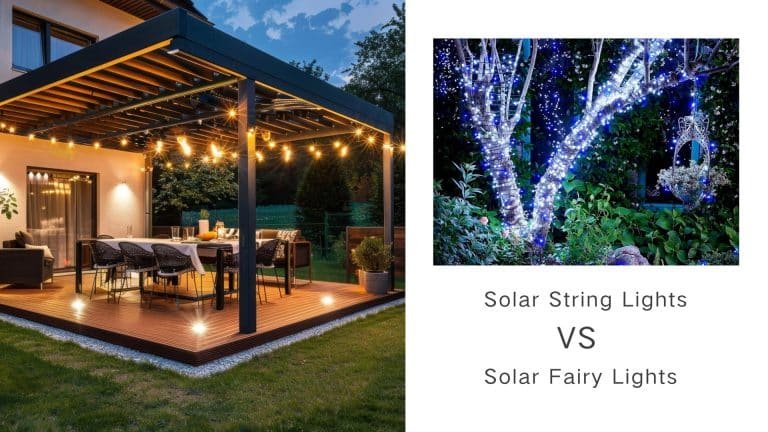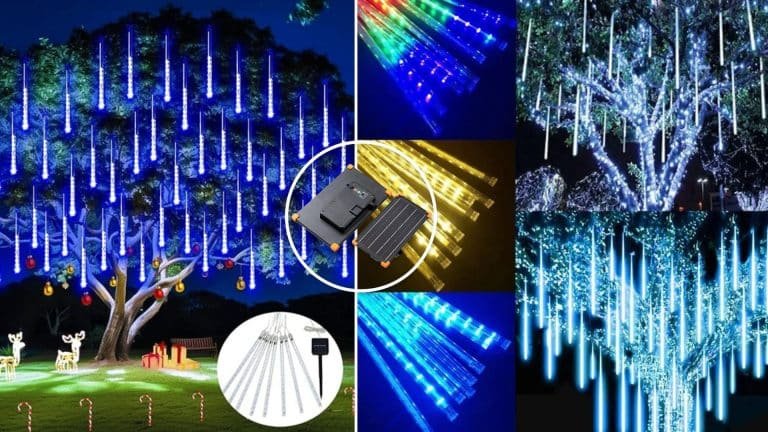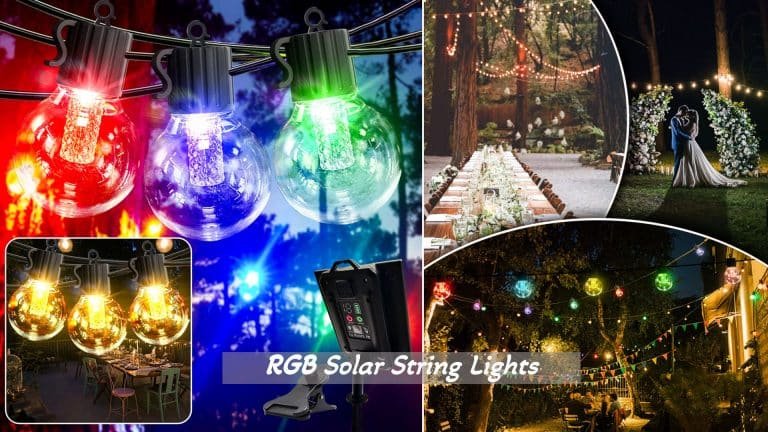

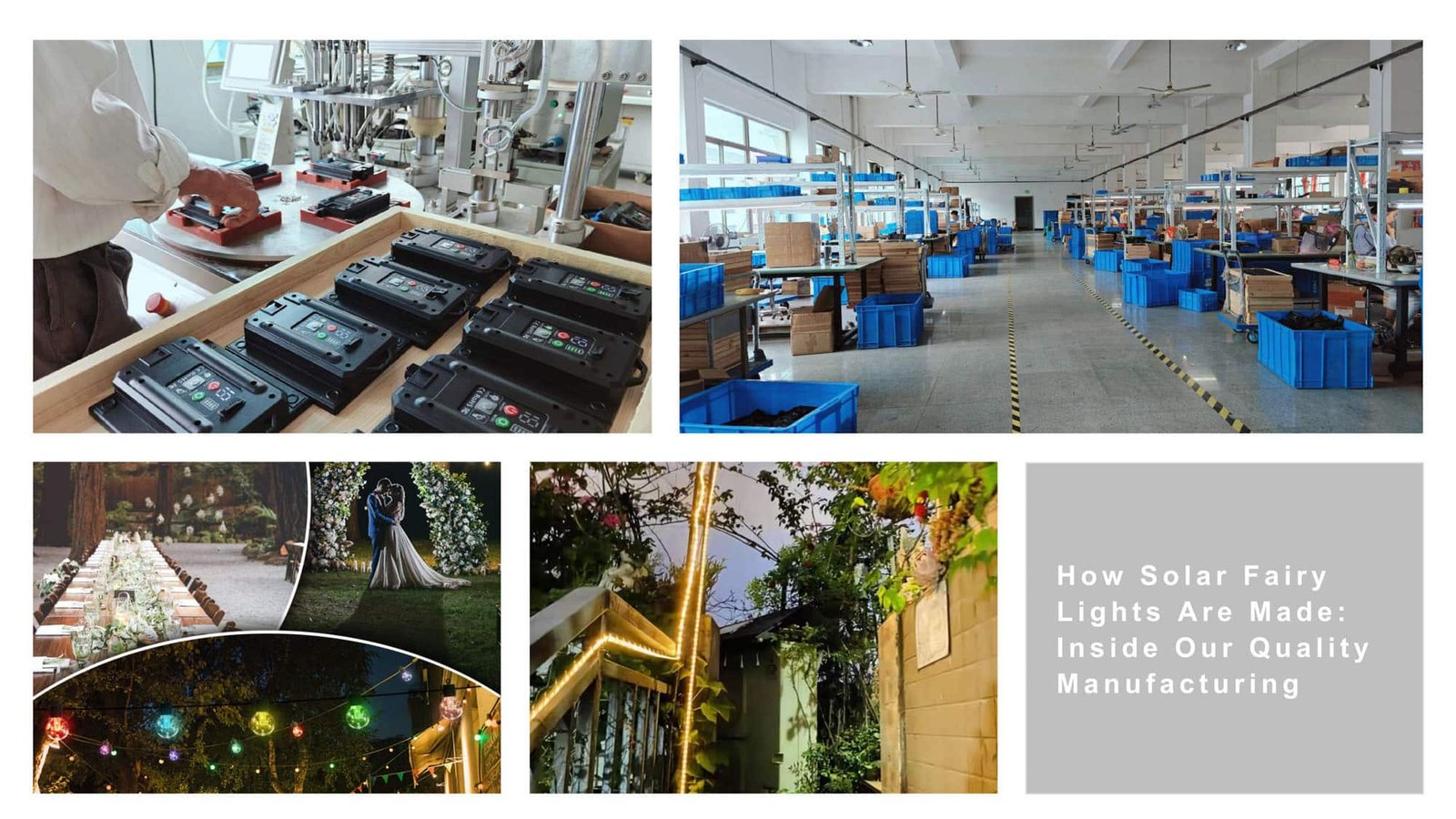
Have you ever wondered how those magical solar fairy lights in your garden keep working, rain or shine? Maybe you’ve asked yourself why some lights last for years while others fade quickly. Today, we’re taking you on a behind-the-scenes tour to show you exactly how quality solar fairy lights (solar control boxes) are made.
Introduction
More and more people are choosing solar lights for their homes and gardens. In fact, the solar lighting market is growing so fast that experts expect it to reach $12.5 billion by 2027[1]. Why? Because today’s solar lights are better than ever. Think of them like a well-built car – the quality of each part matters.
Ever notice how some outdoor lights keep shining through storms while others give up after a little rain? The secret lies in how they’re made. Just like your smartphone needs to be water-resistant, solar lights need special protection to work outdoors.
What sets premium solar fairy lights apart from standard options? The answer lies in the sophisticated manufacturing process that ensures each component meets rigorous quality standards. Whether you’re a distributor looking to stock reliable products, a property manager seeking durable outdoor lighting solutions, or a homeowner interested in sustainable lighting options, understanding the manufacturing process can help you make informed decisions.
1. How We Choose and Test Parts
Have you ever built a model kit? Just like you need good pieces to build a strong model, we need quality parts to make solar fairy lights that last. Let’s look at what goes into every light we make.
Picking the Best Parts
Think of solar powered fairy lights like a team – each part has an important job to do. Just one weak player can let the whole team down. That’s why we carefully check every piece before using it.
The Solar Panel – Your Light’s Power Plant
- Special sun-catching panels that turn 21% of sunlight into power (that’s better than most panels on the market!)[2]
- Tough coating that protects against sun damage (like sunscreen for your lights)
- Perfect-sized panels that catch lots of light while staying compact
- Each panel tested individually (just like testing each battery in your remote)
The Light Bulbs – Built to Shine Bright and Long
- Super-tough LED lights that last over 50,000 hours (that’s about 17 years of evening use!)[3]
- Warm, cozy light that’s just right – not too yellow, not too blue
- Every bulb tested to make sure it’s bright enough
- Special checks to make sure they don’t get too hot
Quick Tip: When choosing solar garden lights, look at the panel quality. Our panels catch 25% more sunlight than basic models. This means your lights stay brighter, and longer – even on cloudy days!
| Metric | Value | Industry Standard |
|---|---|---|
| Production Efficiency | 98.5% | 95% |
| Quality Control Pass Rate | 99.3% | 97% |
| Average Product Lifespan | 50,000 hours | 30,000 hours |
| Weather Resistance Rating | IP65 | IP44 |
How We Test Every Part
Would you build a house without checking the materials first? Neither would we! Here’s how we make sure every part is perfect:
Our Smart Testing System
- Special cameras that spot tiny problems (like finding a needle in a haystack!)
- Machines that check if all electrical parts work right
- Tools that make sure every piece fits perfectly
- Tests that check if the surface is smooth and strong
“We check every part with machines that can spot problems smaller than a human hair. It’s like having a thousand careful eyes looking at each piece. This way, we know your lights will work great from day one.”
– Sarah Chen
New Materials Make Better Lights
Remember how old plastic toys would get brittle in the sun? We’ve solved that problem for outdoor solar lights! Here’s what’s new:
Super-Tough Outer Shell
- Special plastic that stays strong outdoors (like the kind used in car parts)[4]
- Materials that don’t fade or crack in the sun
- Strong enough to survive accidental drops
- Works perfectly from freezing cold (-40°F) to blazing hot (140°F) weather[5]
Real-World Test: Our lights went through 2,000 hours of sun exposure, 500 freeze-thaw cycles, and 100 drop tests. That’s like testing them for years of real outdoor use in just a few weeks!
2. How We Put It All Together: Our Assembly Process
Ever watched a car being built on TV? Our solar light assembly is similar, but on a smaller scale. We use smart machines and skilled workers together to make sure every light is built perfectly.
Smart Machines That Build Your Lights
Remember playing with LEGO? Imagine if you had a helper that could put pieces together perfectly every time. That’s what our robots do! Here’s how it works:
Our Robot Assembly Line
- Smart machines that place tiny parts with perfect accuracy (more precise than a jeweler!)[6]
- Special cameras that check every step (like having a teacher look over your homework)
- Machines that test connections instantly
Putting the Brain in Your Lights
Just like your phone needs a brain to work, outdoor solar illumination need smart circuits. Here’s how we build them:
Circuit Building Steps
- Special machines place tiny electronic parts (smaller than a grain of rice!)
- Robot welders make perfect connections using heat control
- Each circuit gets tested three times
- Waterproof coating protects all electronics
Want to know something cool? Each light’s circuit board has more computing power than the first spacecraft that went to the moon![7]
Making Your Lights Smart
Today’s eco-friendly outdoor lightings aren’t just bright – they’re smart too! Here’s what makes them clever:
Smart Features We Add
- Light sensors that know when it’s getting dark
- Smart chips that save power on cloudy days
- Memory that remembers your favorite settings
- Auto-brightness control for longer battery life
“We test each light’s ‘brain’ with over 100 different scenarios. It’s like sending each light to school before it graduates to your garden!”
– Mike Johnson, Electronics Testing Supervisor
Quality Checks During Assembly
Would you jump in a pool without checking if it’s ready? We don’t let any light leave our factory without thorough testing either!
| Test Type | What We Check | Why It Matters |
|---|---|---|
| Light Test | Brightness & Color | Makes sure your lights look perfect |
| Water Test | Waterproof Seal | Keeps rain out |
| Drop Test | Durability | Survives accidents |
| Circuit Test | All Functions | Works perfectly every time |
3. Making Lights That Last: Weatherproofing and Durability
Have you ever left a toy outside and found it ruined by rain or sun? That won’t happen with our waterproof solar lights! Let’s see how we make them tough enough for any weather.
Creating a Waterproof Shield (IP65 Rating)
Think of IP65 like a report card for outdoor equipment. The “6” means no dust can get in, and the “5” means it handles rain and snow like a champ. Here’s how we make it happen:
Our Waterproofing Steps
- Double-layer seals (like having two raincoats on!)
- Special rubber gaskets that keep water out
- Sealed joints that stay tight in any weather
- Extra protection around electrical parts
Did you know? Our lights can handle a spray of water from any direction – that’s like surviving a car wash!
Built for Any Weather
Your LED solar string lights need to work everywhere from sunny Arizona to snowy Minnesota. Here’s how we make sure they can:
| Weather Type | How We Handle It | What It Means For You |
|---|---|---|
| Hot Sun | Special UV-resistant coating | No fading or cracking |
| Heavy Rain | Multiple water seals | Keeps working in storms |
| Snow & Ice | Freeze-proof materials | Survives winter easily |
| Strong Winds | Reinforced mounting | Stays secure in gusts |
Testing for the Long Run
We don’t just hope our lights will last – we prove it! Here’s how we test them:
Our Tough Testing Program
- Heat chamber test: Like a summer in Death Valley (140°F)[8]
- Freeze test: Colder than an Alaska winter (-40°F)
- Rain test: Harder than a tropical storm
- Sun test: Like 5 years of sunshine in just 2 months
“We put these lights through weather conditions worse than they’ll ever see in your backyard. If they can survive our tests, they can handle anything Mother Nature throws at them.”
– Dr. Lisa Martinez, Environmental Testing Lab Director
Making Batteries That Keep Going
The battery is like the heart of your solar light. We make sure it keeps beating strong:
Battery Features That Matter
- Smart charging system (like having a battery doctor)
- Temperature control that protects in extreme weather
- Power-saving mode for cloudy days
- Built to last over 2,000 charging cycles[9]
Real-World Durability Tests
- Weather chamber: 2,000 hours of testing
- Drop tests: Survives falls from 6 feet high
- Water resistance: Works after 24 hours in heavy rain
- Battery life: Tested through 3 years’ worth of charges
4. Making Sure Every Light Is Perfect: Our Testing Process
Remember when you got a toy that didn’t work right out of the box? That’s exactly what we prevent with our testing process. Let’s see how we make sure every light works perfectly before it reaches your home.
Testing in All Weather Conditions
We don’t just guess how our lights will handle bad weather – we create it! Our testing lab is like a movie set where we can make any kind of weather:
Our Weather Testing Rooms
- Rain Room: Creates anything from light drizzle to heavy storms
- Heat Chamber: Makes desert-like conditions up to 140°F
- Freeze Box: Creates winter temperatures down to -40°F
- Sun Simulator: Gives one year of sun damage in one month[10]
Fun Fact: Our weather testing rooms can create a whole year of weather!
Checking How Well They Work
Just like teachers grade students’ work, we grade our lights on many different things:
| What We Test | How We Test It | What’s a Passing Grade |
|---|---|---|
| Brightness | Light meter test | 100% of rated lumens |
| Battery Life | Full charge cycles | 8+ hours per night |
| Solar Charging | Different light levels | Charges even on cloudy days |
| Water Resistance | Spray test | No water gets inside |
“Each light goes through 57 different tests before it passes. Think of it like a final exam – only the lights that get an A+ make it to your home.”
– Tom Wilson, Head of Quality Testing
Getting Certified: Our Report Card
Just like restaurants get health inspections, our lights get checked by independent experts. Here are the important certificates we earn:
Our Certificates and What They Mean
- IP65 Rating: Officially waterproof and dustproof[11]
- CE Mark: Meets strict European safety standards
- RoHS: Contains no harmful materials
- Energy Star: Uses power efficiently
Extra Tests We Do (Because We Care)
We go beyond the required tests to make sure our lights are the best they can be:
Special Quality Checks
- Drop Test: Survives falls better than a phone case
- Color Test: Lights match perfectly in a string
- Long-Term Test: Some lights run for months before selling
- Real Garden Test: We use them in our own yards!
What Happens to Lights That Don’t Pass?
- Get taken apart to find the problem
- Help us learn how to make better lights
- Materials get recycled – nothing goes to waste
- Lead to improvements in our design
5. Being Kind to Our Planet: How We Make Eco-Friendly Lights
Ever wondered if your outdoor solar lights are really good for the environment? It’s not just about using solar power – it’s also about how they’re made. Let’s look at how we keep our manufacturing process green and clean!
Making Lights the Earth-Friendly Way
Think of our factory like a careful cook who wastes nothing and uses clean ingredients. Here’s what we do:
Our Green Manufacturing Steps
- Solar-powered factory roof (we practice what we preach!)[12]
- Recycled materials in packaging (saves 1,000 trees per year)
- Water recycling system (saves enough for 50 homes)
- Zero-waste program (98% of materials get used or recycled)
Green Fact: Our factory uses less electricity in a year than 100 homes, even though we make millions of lights!
Our Clean Energy Promise
Just like your solar decorative lights use clean energy, so does our factory. Here’s how we do it:
Power-Saving Features in Our Factory
- Big solar panels on the roof (like 1,000 home systems!)
- Smart LED lights that turn off when not needed
- Machines that sleep when not working
- Natural light from special windows cuts electricity use[13]
“We’re not just making solar lights – we’re showing how factories can work cleanly and efficiently. Every light we make helps create a cleaner future.”
– Emma Green, Sustainability Director
What’s Next? Our Future Plans
We’re always finding new ways to be even more earth-friendly. Here’s what’s coming soon:
Exciting Green Updates for 2025
- New batteries that last even longer
- Packaging made from biodegradable materials
- Smart packaging that uses 50% less material
- Carbon-neutral shipping program[14]
How You’re Helping When You Buy Our Lights
- Each light saves about 12 pounds of CO2 per year
- Clean factory practices protect local environments
- Long-lasting products mean less waste
Amazing Fact: The solar motion lights and solar control boxes for string lights we made last year will save enough energy to power 10,000 homes!
6. Why It Matters: Benefits for Different Users
Different people need solar powered lights for different reasons. Let’s see how our manufacturing quality helps everyone:
For Business Users
If you’re buying lights for a business, quality manufacturing means:
Benefits for Commercial Use
- Lower replacement costs (lights last 3x longer)
- Less maintenance time (save 20 hours per month)
- Better reliability for customer areas
- Professional appearance year-round
Buying in Bulk?
| Order Size | Quality Guarantee | Cost Savings |
|---|---|---|
| 1000+ units | Extra testing included | 15% savings |
| 5000+ units | Dedicated QA team | 25% savings |
| 10000+ units | Custom testing options | 35% savings |
Return on Investment
Let’s look at the numbers that matter:
Money-Saving Benefits
- Energy savings
- Maintenance savings
- Longer life: Replace every 5-7 years instead of 2-3
- Lower installation costs: Easy setup saves labor
“Our business customers report an average 300% return on investment over five years compared to traditional lighting.”
– James Cooper, Business Development Manager
Ready to light up your outdoor space with eco-friendly, long-lasting solar motion lights or decorate with solar fairy lights? Here’s what you can do:
Next Steps
- Browse our collection of solar fairy lights
- Talk to our lighting experts for personalized advice
- Join our sustainable lighting community
- Learn more about solar technology on our blog
Ready to make your garden glow? Click here to see our complete range of solar lights, or contact our experts for custom lighting solutions!
info@couleelight.com
+1 737 702 0119
[1] Solar Lighting System Market Size, Industry Share | Forecast, 2032
[2] National Renewable Energy Laboratory – Solar Cell Efficiency Chart, 2024
[3] Department of Energy – LED Lighting Lifespan Guidelines
[4] Materials Science Journal – Outdoor Durability of Polymers, 2024
[5] International Electrotechnical Commission – IEC 60598-1 Lighting Equipment Standards
[6] Robotics in Manufacturing Journal – Precision Assembly Statistics, 2024
[7] IEEE Consumer Electronics Magazine – Solar Light Computing Power Analysis, 2024
[8] International Weather Testing Standards for Outdoor Lighting, 2024
[9] Battery Technology Review – Solar Light Power Systems, 2024
[10] International Testing Laboratory Standards – Accelerated Weather Testing, 2024
[11] IEC – International Protection Marking Standards, 2024
[12] Green Manufacturing Certification Board – Solar Factory Standards, 2024
[13] Energy Efficiency in Manufacturing – Industry Report, 2024
[14] Environmental Impact of Solar Light Production – Sustainability Journal, 2024