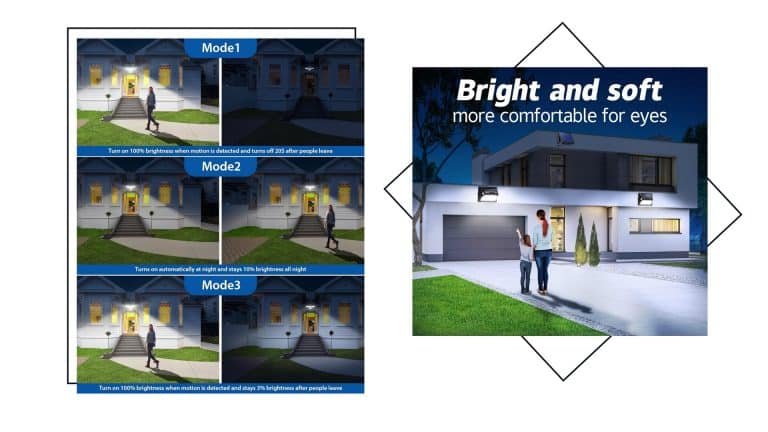


Solar lights are a practical and eco-friendly way to illuminate your home, garden, or commercial space. However, proper installation and proactive maintenance are key to maximizing their benefits. This guide covers essential installation tips, solutions to common issues, and answers to frequently asked questions to help you make the most of your solar lights.
Why Proper Solar Light Installation Matters
The performance of solar lights depends heavily on their installation. Placing them incorrectly or ignoring key environmental factors can lead to dim lighting, reduced operational hours, and even system failures. Proper installation ensures:
- Maximum sunlight exposure for efficient charging.
- Stable performance regardless of weather conditions.
- Prolonged lifespan, reducing maintenance costs.
Whether you’re enhancing garden aesthetics or securing a driveway, following best practices ensures your solar lights shine bright every night.
Essential Installation Tips for Solar Lights
1. Selecting the Right Location
The most critical factor is ensuring your solar panel receives direct sunlight. Avoid shaded areas caused by trees, buildings, or fences, as insufficient sunlight leads to reduced charging and shorter operation times.
- Optimal positioning: South-facing areas with unobstructed sunlight.
- Seasonal adjustments: During winter, adjust the angle of the panel to capture lower sun rays.
Using a sunlight exposure meter can help identify the best spot for maximum efficiency.
2. Checking for Environmental Factors
Environmental factors such as dust, snow, or nearby artificial lights can disrupt solar light functionality. For example:
- Dust or debris can cover solar panels, reducing their efficiency.
- Artificial light interference from streetlights or porch lights can confuse motion sensors.
Solution: Regularly clean the solar panels with a soft cloth and reposition the lights to avoid competing light sources.
3. Ensuring Stability and Security
Unsecured installations can lead to damage, especially in high-wind areas. For ground installations, ensure stakes are firmly embedded. For wall-mounted lights, use sturdy anchors and screws.
- Pro tip: Use weatherproof adhesives for added security in harsh climates.
- Avoid: Placing lights in areas prone to flooding or heavy waterlogging.
4. Testing the Setup
Before finalizing the installation:
- Charge the solar lights for 6-12 hours in direct sunlight.
- Test motion sensors and brightness settings.
- Check for any flickering or dimming issues during operation.
Common Solar Light Problems and Troubleshooting Solutions
Even with proper installation, issues may arise. Here’s how to address them:
1. Light Not Turning On
Possible reasons:
- Batteries are not charged.
- Solar panel is dirty or damaged.
- Light sensor is blocked.
Fix: Clean the panel, replace batteries if needed, and ensure the light sensor isn’t obstructed.
2. Dim or Flickering Lights
Root causes:
- Low-quality batteries.
- Panel partially shaded during the day.
Fix: Replace the batteries with high-capacity rechargeable ones and relocate the light for better sunlight exposure.
3. Sensor Malfunctions
Issue: The light doesn’t detect motion or stays on all the time.
Solution: Adjust the angle and sensitivity of the PIR sensor. If the problem persists, check for external interferences or faulty wiring.
4. Short Lighting Duration
Reason: Insufficient charging due to cloudy weather or aging batteries.
Fix: Clean the panel and upgrade to newer, energy-efficient batteries compatible with the solar system.
FAQs on Solar Light Installation
1. How much sunlight is needed for solar lights to work effectively?
Most solar lights require 6-8 hours of direct sunlight for a full charge, which typically powers the light constantly for 8-12 hours.
2. Can solar lights function during cloudy or rainy days?
Yes, but the performance might reduce as solar panels generate less energy under low-light conditions. Opt for high-efficiency panels for such climates.
3. How often should I clean my solar panels?
Clean your panels every 2-4 weeks or more frequently in dusty or snowy areas to maintain optimal performance.
4. What should I do if my solar light stops working suddenly?
First, check the battery and solar panel for visible issues. If no external damage is apparent, replace the batteries or consult the manufacturer.
5. Can solar lights be installed indoors?
Solar lights are designed for outdoor use, but you can install them indoors by positioning the solar panel outside to collect sunlight.
6. How can I extend the life of my solar light batteries?
- Store lights indoors during prolonged bad weather.
- Use high-quality, compatible rechargeable batteries.
- Regularly check for and address corrosion in battery compartments.
Pro Tips for Maximizing Solar Light Efficiency
- Seasonal maintenance: Adjust panel angles according to seasonal sun paths.
- Weather-resistant models: Invest in lights with a high waterproof rating, like IP65, for durability.
- Upgrade components: Replace LEDs and batteries periodically to maintain brightness and efficiency.
Conclusion and Next Steps
Proper installation and regular maintenance are key to enjoying the full benefits of solar lights. Whether you’re lighting up a garden path or securing your property, these tips will help ensure your lights operate efficiently and last for years.
Contact Us Today
Looking for reliable solar lighting solutions? Click here to explore our premium range or contact us for free expert advice.
info@couleelight.com | couleelight@gmail.com | + 1 737 702 0119
Searching for a reliable and eco-friendly solution for powering your string lights, LED rope lights, or decorative setups? Our Solar Battery Box is the ultimate choice, offering top-notch performance, durability, and convenience for large-scale projects or wholesale buyers.