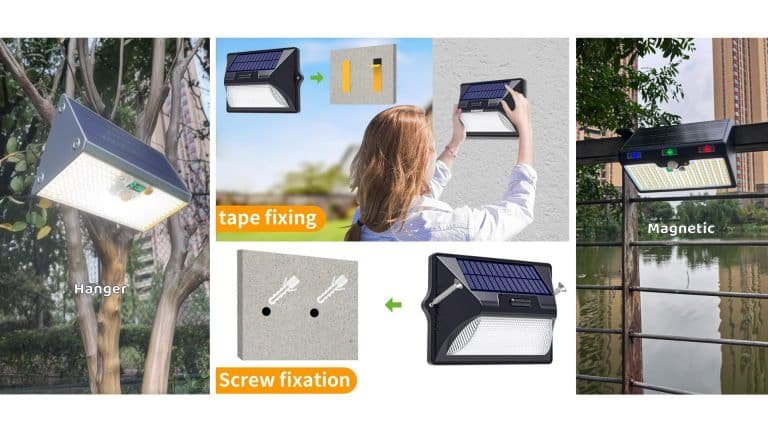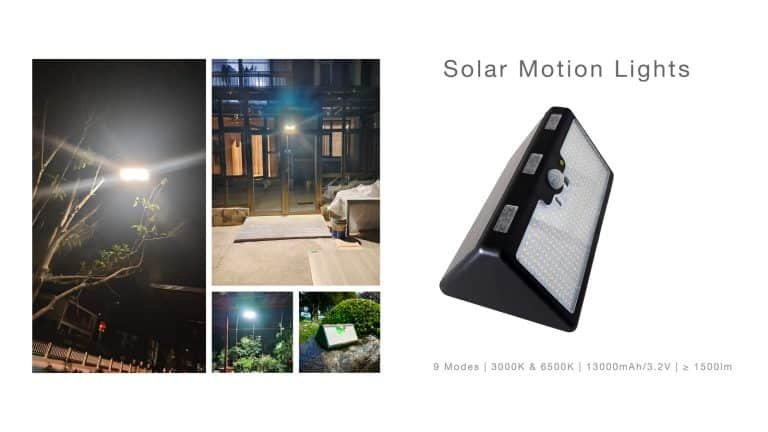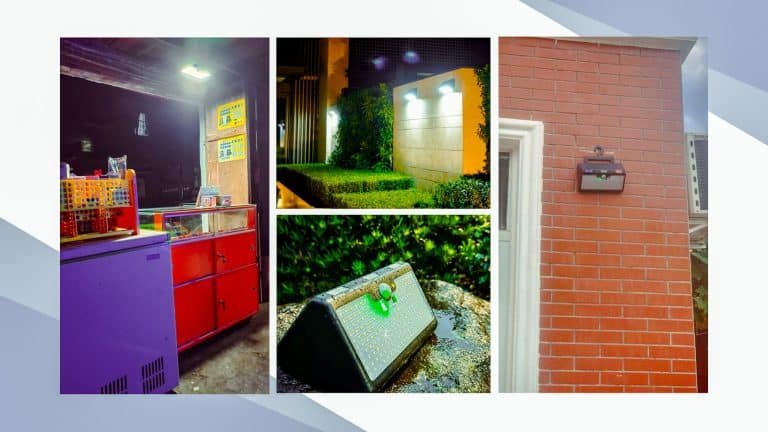


Solar outdoor lighting, particularly motion-activated options, continues to gain traction for its eco-friendliness and convenience. With various models like security lights and decorative pathway lights, solar lighting can adapt to different needs. This FAQ guide will cover essential insights on solar lights for optimal performance, longevity, and maintenance, addressing frequent questions from new users to seasoned solar adopters.
FAQ 1: How Long Do Solar Sensor Lights Typically Last?
Expected Lifespan: High-quality solar sensor lights for outside use, like those offered by Couleelight, can last anywhere from 5-8 years with proper care. Factors affecting lifespan include battery quality, LED durability, and exposure to weather.
Battery Replacement: Batteries usually last 2000 – 5000 cycles (LiFePO4), depending on battery type and usage. Most motion lights outdoor solar models allow battery replacement, making it easy to extend the light’s lifespan without needing a full replacement.
Maximizing Longevity: To ensure your lights last, clean the solar panel periodically, store lights in a dry place if unused for extended periods, and replace the battery when it begins to show signs of reduced brightness.
FAQ 2: What Is the Ideal Range and Angle for Motion Detection?
Understanding Motion Sensors: Motion-activated solar lights typically detect movement within a 10-15 meter range, depending on the model. Many lights have a 120° to 180° detection angle, making them suitable for wide-area coverage.
Best Placement: For optimal sensor performance, install the solar motion lights at a height of 6-8 feet. This height allows the light to cover a wide area while maximizing its motion-sensing range.
Tips for Security Lighting: For security-focused lights, place them near entryways, pathways, or driveways. Motion detection settings on models like CLL-PL-368 (solar motion PIR security light) can help reduce false activations from pets or passing wildlife.
FAQ 3: Do Solar Outdoor Lights Work Well in Shaded Areas?
Partial Shade Performance: Solar lights require direct sunlight to charge fully. However, some models can still perform in partially shaded areas by charging for longer periods. It’s important to adjust expectations, as brightness and duration may decrease in shaded setups.
Using Solar Lights in Shady Spots: If sunlight is limited, place the lights in the least-shaded spot available, and consider positioning the panel in a sunnier area if it’s detachable. You can also choose lower brightness settings to conserve battery life in less sunny locations.
Alternative Solutions: In particularly shaded or cloudy regions, consider using hybrid solar lights that allow USB charging, or opt for a high-efficiency solar panel to maximize charge even in lower light conditions.
FAQ 4: How Do I Adjust the Brightness and Motion Sensitivity of Solar Motion Lights?
Customizable Features: Some advanced solar motion lights, including models from Couleelight, offer adjustable brightness and motion sensitivity settings. This flexibility allows users to customize their lighting to suit different locations and preferences.
Adjusting Brightness: Brightness settings can typically be modified through a control panel or remote. Lower brightness settings extend battery life, making them ideal for decorative lighting, while higher settings are useful for security applications.
Motion Sensitivity: Some lights allow you to adjust the motion sensor’s range, preventing it from activating for small movements, such as pets. Adjust the sensitivity based on the specific purpose of the light and location.
FAQ 5: Are Solar Motion Security Lights Durable in Extreme Weather?
Weather-Resistance Ratings: Most solar-powered outdoor motion lights come with a waterproof rating, often IP65 or higher. This rating ensures they can withstand rain, snow, and even dust, making them durable for year-round outdoor use.
Preparing for Harsh Weather: For long-term durability, consider placing your solar lights under eaves or other slight shelter. While solar lights are generally designed for outdoor use, exposure to hail or heavy rain over time may wear down components.
Extreme Temperature Concerns: Solar lights are resilient, but extreme cold can affect battery performance. If you live in a particularly cold region, consider removing the lights during off-seasons to extend their lifespan.
FAQ 6: Can Solar Powered Outdoor Motion Lights Deter Intruders?
Security Benefits: Solar motion security lights are effective deterrents for intruders, as sudden illumination can startle and discourage unauthorized activity. Bright solar lights, especially when positioned strategically, can make potential trespassers think twice.
Optimal Security Setup: For security purposes, position lights near entry points and ensure they cover high-traffic or hidden areas. Consider higher brightness and a wide-angle sensor for the best coverage. Couleelight’s security models feature these options, providing robust, motion-activated protection.
Additional Security Tips: Integrate multiple motion lights across your property for layered security, covering both front and back areas. This setup maximizes visibility and makes it harder for potential intruders to avoid detection.
FAQ 7: Can I Use Solar Lights Indoors?
Indoor Use: While designed for outdoor use, solar lights can also work indoors if they receive adequate sunlight during the day. Simply install the solar panel outside and route the connected light indoors for eco-friendly indoor lighting.
Special Use Cases: Solar lights are ideal for sheds, garages, or greenhouses where electrical wiring may be unavailable. With the motion-activated feature, they provide hands-free lighting indoors for storage spaces and work areas.
Battery Limitations: Keep in mind that indoor use may reduce the charging efficiency, as solar panels are designed to absorb outdoor sunlight. If indoor use is intended, opt for high-capacity models to ensure sufficient brightness and runtime.
FAQ 8: How Do Solar Lights Impact My Energy Bills?
Cost Efficiency: Since solar lights use renewable solar energy, they don’t add to your electricity bills, making them cost-effective alternatives to traditional electric lighting. Initial investment costs can be higher but are offset over time by energy savings.
Maintenance Savings: Solar lights typically have low maintenance costs since they don’t require wiring or electricity. With LED lights lasting longer than incandescent bulbs, replacement needs are minimal.
Choosing Budget-Friendly Models: Consider the specific purpose when investing in solar lights. Models like Couleelight’s offer a variety of price points with features tailored for efficiency and affordability, providing sustainable options for different budgets.
FAQ 9: Can I Replace the Solar Panel or Battery on My Solar Light?
Battery Replacement: Many solar lights, especially higher-end models, offer replaceable batteries. Regular battery replacements can extend the life of your light, so confirm with the manufacturer if replacements are available.
Solar Panel Repairs: While solar panels are built for durability, they can sometimes become damaged. Replacing or repairing the panel is more complex and often requires contacting the manufacturer. If damaged, check your warranty for coverage or consider purchasing a new unit if the repair is too costly.
Upgrade Options: Some models allow you to upgrade to higher-capacity batteries for improved performance. Check compatibility with your light model before purchasing any replacements or upgrades.
FAQ 10: Are Solar Sensor Lights Safe Around Pets and Wildlife?
Pet-Friendly Lighting: Most solar motion lights have adjustable sensitivity settings to prevent them from activating with every movement. This can be helpful for pet owners who don’t want their lights triggered by pet activity in the yard.
Wildlife Considerations: For those living in areas with wildlife, positioning the lights to avoid overly sensitive activation will help reduce unnecessary energy use. Select motion lights with medium-range sensors if wildlife is frequent in your area.
Additional Tips: Motion-activated settings reduce unnecessary lighting, minimizing disruption for wildlife. Using low-brightness or dimmable options around natural areas can also keep surroundings comfortable for both pets and local fauna.
Powering Your Outdoor Spaces with Solar Lighting
Solar outdoor lighting continues to be a practical, eco-friendly choice for modern homes, offering sustainable and versatile lighting options that enhance both security and ambiance. By understanding how solar motion security lights function and how to best install and maintain them, you’ll be able to maximize their lifespan and effectiveness. Couleelight is proud to offer innovative and durable solar-powered outdoor motion lights that meet these demands, providing trusted quality for all your outdoor lighting needs.
Explore Couleelight’s full range of solar lighting products. Stay connected with us on LinkedIn, Facebook, Instagram, and YouTube for updates, new products, and tips on creating the perfect outdoor lighting setup.