
Test Your Knowledge: Solar String Lights vs Fairy Lights
Are you trying to choose between solar string lights and fairy lights for your outdoor space? You’re not alone! As more people look for efficient lighting solutions, understanding the differences between these two popular options becomes crucial.
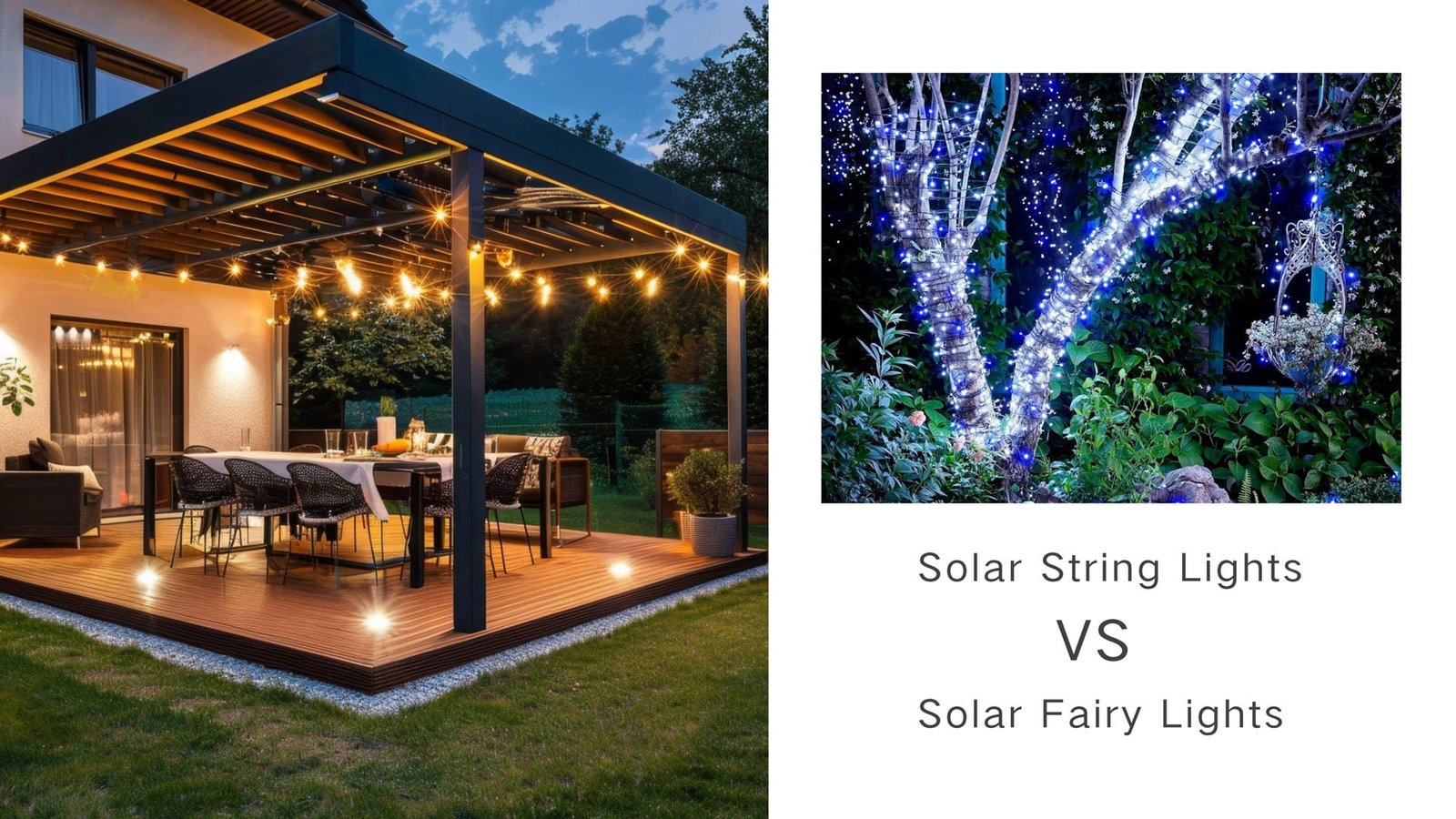
The outdoor lighting market is evolving rapidly, with solar-powered options leading the change. Both solar string lights and fairy lights offer unique features – from tiny, closely-spaced fairy light bulbs (less than 0.25 inches in diameter) to larger, more spaced-out solar string lights (0.5 to 2 inches in diameter). But which one matches your specific needs?
Maybe you’ve wondered why fairy lights create that magical, delicate glow, while string lights offer more focused, brighter illumination. Or perhaps you’re curious about which type would work better for your garden, patio, or special event. In this guide, we’ll explore these differences and help you make an informed choice.
What You’ll Learn:
- How size and spacing affect light patterns (fairy lights spaced under 1 inch apart vs. string lights 6-12 inches apart)
- Why solar string lights work well for broad outdoor coverage while fairy lights excel in intimate settings
- Different power options and their impact on performance
- Weather resistance and durability comparisons
- Setup requirements for both lighting types
- Best uses based on your specific needs
Let’s explore how these two lighting options differ in design, performance, and practical use to help you find the perfect lighting solution for your space.
Key Physical Differences
Size and Construction Differences
When you look at solar string lights and fairy lights side by side, you’ll notice some clear differences. Let’s break down what makes each type unique:
| Feature | Solar String Lights | Fairy Lights |
|---|---|---|
| Bulb Size | 0.5 to 2 inches in diameter | Less than 0.25 inches in diameter |
| Spacing Between Bulbs | 6 to 12 inches apart | Less than 1 inch apart |
| Wire Thickness | Thicker, more visible wiring | Ultra-thin, nearly invisible wire |
Light Output and Visual Effect
The physical design of each light type creates distinctly different atmospheres:
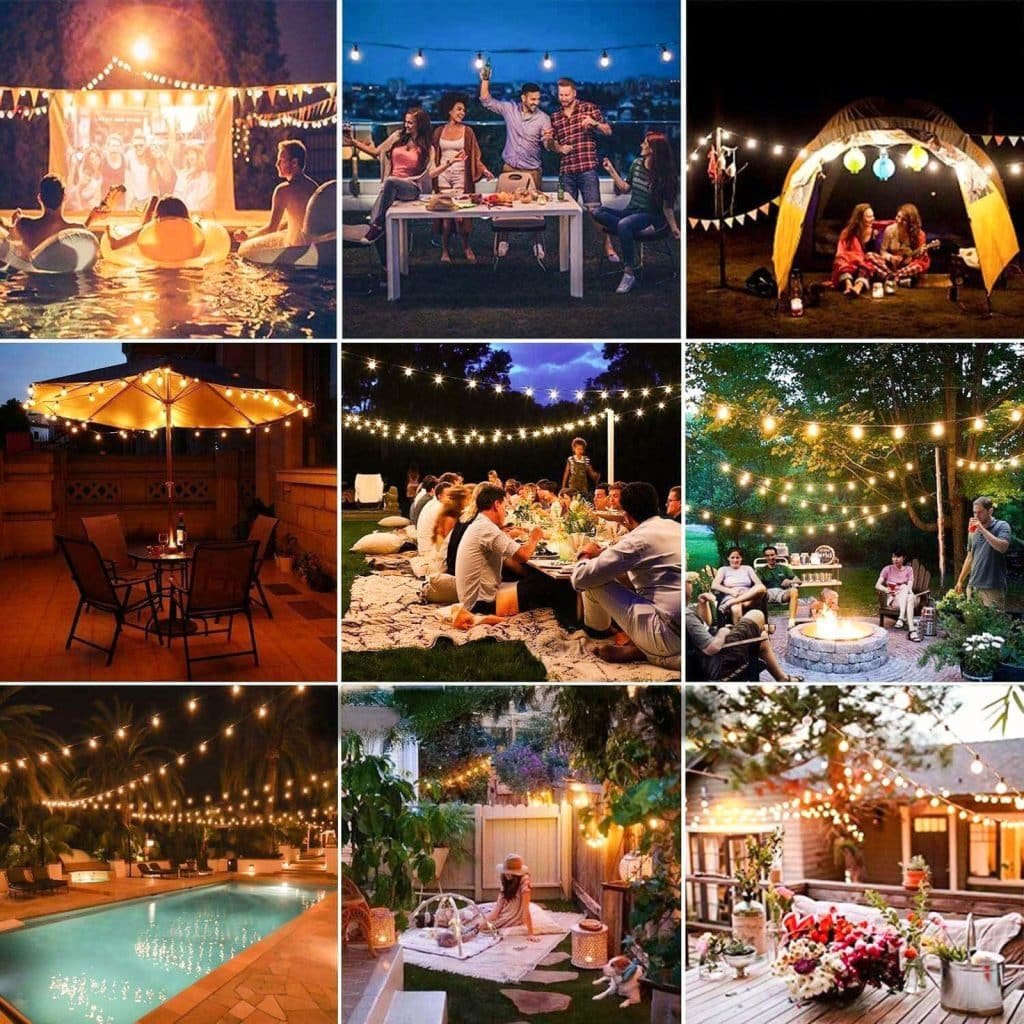
- Solar String Lights: Create more focused, brighter points of light. Perfect for spaces where you need clear visibility, like patios and walkways. Their larger bulbs provide warm, cozy illumination that’s visible from a distance.
- Fairy Lights: Produce a softer, more subtle glow that creates a delicate, ethereal atmosphere. With their closely spaced tiny bulbs, they’re ideal for creating a magical, starry effect in intimate settings.
Think about your garden at night – do you want defined lighting that highlights specific areas, or a gentle sparkle that creates an enchanting atmosphere? The physical design of each light type helps achieve these different effects.
Design Flexibility
The construction of each light type affects how you can use them:
- Solar String Lights: Their sturdy construction makes them excellent for permanent outdoor installations. The thicker wire and larger bulbs stand up well to weather but may be more challenging to shape into intricate designs.
- Fairy Lights: Thanks to their ultra-thin wire and tiny bulbs, they’re incredibly flexible. You can easily wrap them around objects, shape them into patterns, or weave them through decorative elements.
Understanding these physical differences helps you choose the right type for your specific needs. Want to outline your patio for evening gatherings? Solar string lights might be your best bet. Planning to create a magical wedding arch? Fairy lights could be the perfect choice.
Power Source Differences
One of the biggest differences between these lighting options lies in how they’re powered. Let’s explore the various power options available and what they mean for your lighting setup.
Solar String Lights: Modern Solar Power Systems
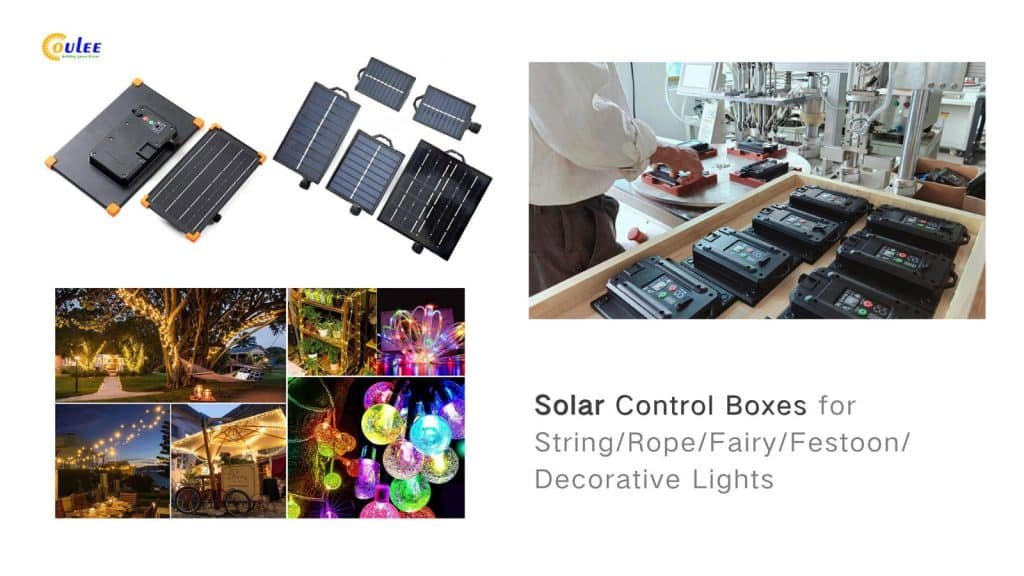
Today’s solar string lights have come a long way from early solar technology. Modern systems, like the Couleelight Solar Battery Box, offer impressive features that make solar power more reliable than ever:
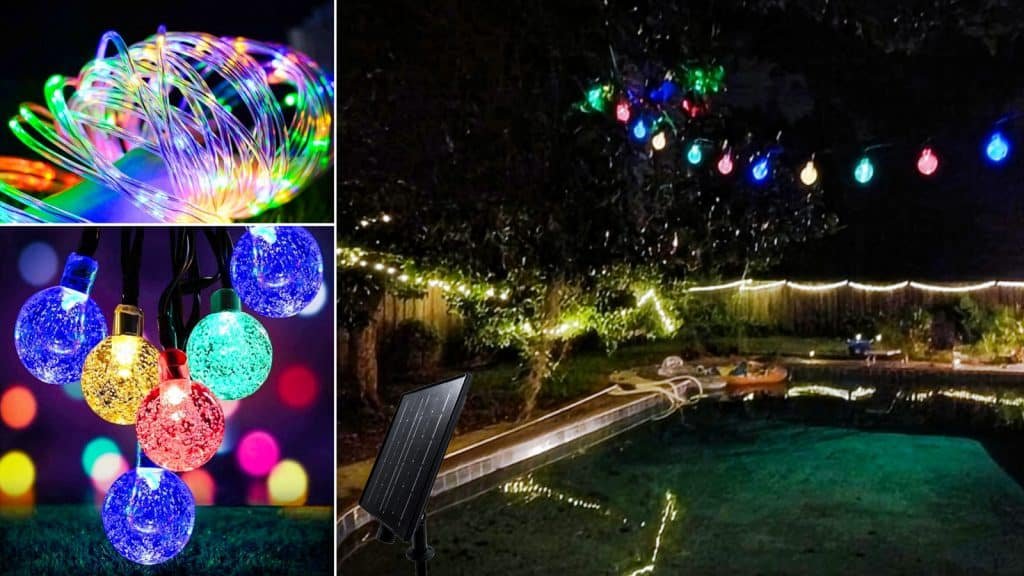
- Efficient Solar Charging: With just 6 hours of sunlight, you can get up to 50+ hours of runtime, depending on your chosen settings. This means your lights stay bright even during cloudy periods.
- Advanced Battery Technology: High-capacity lithium batteries (up to 10800mAh) provide consistent power throughout the night. Some systems even double as backup power banks for small devices.
- Smart Controls: Modern solar systems come with remote controls for easy operation. You can adjust brightness, set timers, and switch between different lighting modes from a distance.
Pro Tip:
When choosing solar string lights, look for systems with adjustable solar panels. This helps you maximize sunlight absorption no matter where you install your lights.
Fairy Lights: Traditional Power Options
Fairy lights typically come with two main power options:
- Battery-Operated: Perfect for flexible placement and temporary setups. Most use standard batteries for reliable, consistent power.
- Plug-in (Mains Powered): Ideal for permanent indoor installations or covered outdoor areas where a power outlet is available.
Key Power Differences Compared
| Feature | Solar String Lights | Traditional Fairy Lights |
|---|---|---|
| Power Source | Solar energy with battery backup | Batteries or mains power |
| Installation Requirements | No wiring needed, flexible placement | May need access to power outlets |
| Operating Cost | Virtually free after purchase | Ongoing battery or electricity costs |
| Weather Resistance | IP65 waterproof rating (varies by model) | Indoor models need protection from elements |
Additional Features to Consider
Modern solar string lights often include extra features that enhance their versatility:
- Multiple Lighting Modes: Choose from various effects including steady warm white, multi-color options, and dynamic color transitions
- Timer Functions: Automatically turn lights on at dusk and off at dawn
- Weather Protection: Look for IP65-rated systems that can withstand rain, snow, and harsh weather
- Easy Installation: Many systems offer multiple mounting options including ground stakes, wall mounts, and hanging slots
Expert Advice: For year-round outdoor lighting, solar string lights with high-capacity battery boxes offer the most reliable and cost-effective solution. They combine the flexibility of battery-powered systems with the sustainability of solar energy.
Performance Differences
Light Output and Coverage
How do these two lighting options perform when it comes to actually lighting up your space? Let’s look at their key performance characteristics:
| Performance Aspect | Solar String Lights | Fairy Lights |
|---|---|---|
| Light Output | Focused, brighter points of light | Soft, subtle glow |
| Coverage Area | Broader illumination, visible from distance | Intimate, close-range lighting |
| Light Distribution | Spaced-out, defined lighting pattern | Dense, uniform light display |
| Visibility | High visibility, good for safety lighting | Subtle ambiance, decorative focus |
Weather Performance and Durability
How do these lights handle different weather conditions? Here’s what you need to know:
- Solar String Lights:
- Designed specifically for outdoor use
- Weather-resistant construction
- Can withstand wind and temperature changes
- Performance may vary with sunlight availability
- Fairy Lights:
- Better suited for sheltered areas
- Some outdoor models available
- Need protection from harsh elements
- More consistent performance (when protected)
Practical Applications
Based on their performance characteristics, each type excels in different settings:
Best Uses for Solar String Lights:
- Patio and deck perimeters
- Garden pathways and borders
- Outdoor security lighting
- Large-scale outdoor events
Best Uses for Fairy Lights:
- Wedding decorations
- Indoor room ambiance
- Holiday tree decorating
- Intimate party settings
Real-World Performance Tip: For outdoor spaces where you need both practical lighting and decorative appeal, consider combining both types. Use solar string lights for primary illumination and fairy lights for accent decoration.
Seasonal Performance Variations
Different seasons can affect how these lights perform:
| Season | Solar String Lights | Fairy Lights |
|---|---|---|
| Summer | Peak performance with long daylight hours | May need shade protection |
| Winter | Reduced runtime due to shorter days | Consistent performance indoors |
| Spring/Fall | Good performance with moderate sunlight | Ideal for all applications |
Understanding these performance differences helps you choose the right lighting solution for your specific needs and environment. Remember, the best choice often depends on where and how you plan to use your lights.
Installation and Maintenance
Installation Requirements
Setting up your lights properly can make a big difference in how well they work. Let’s look at what each type needs:
| Installation Aspect | Solar String Lights | Fairy Lights |
|---|---|---|
| Basic Setup Needs | Solar panel placement + light arrangement | Power source access + light arrangement |
| Tools Required | Mounting hardware, stakes, or hooks | Command hooks or small nails |
| Time to Install | 30-60 minutes typically | 15-30 minutes typically |
| Professional Help | Rarely needed | Rarely needed |
Installation Best Practices
For Solar String Lights:
- Position solar panels in direct sunlight
- Avoid areas with heavy shade
- Mount securely to prevent wind damage
- Test positions before permanent installation
For Fairy Lights:
- Plan your power source access first
- Avoid stretching wires too tightly
- Use proper clips or hooks for support
- Keep plugs protected from moisture
Installation Tip: Before installing either type permanently, test them in position during both day and night to ensure the effect is what you want.
Maintenance Requirements
Keeping your lights in good condition ensures they’ll last longer and perform better. Here’s what each type needs:
| Maintenance Task | Solar String Lights | Fairy Lights |
|---|---|---|
| Regular Cleaning | Clean solar panels monthly, wipe bulbs as needed | Dust bulbs occasionally |
| Weather Protection | Check seals and connections seasonally | Store or cover during harsh weather |
| Power Source Care | Monitor solar panel positioning | Check batteries/connections regularly |
| Seasonal Care | Adjust panel angles with seasons | Replace batteries as needed |
Troubleshooting Common Issues
Solar String Lights:
- Dim Lights: Usually means solar panel needs cleaning or repositioning
- Inconsistent Operation: Check for shadows or obstructions
- Short Runtime: Could need battery replacement or more direct sunlight
Fairy Lights:
- Partial Lighting: Check for loose connections
- Flickering: Usually indicates battery or power issues
- Dead Sections: Look for wire breaks or damaged bulbs
Recommended Maintenance Schedule:
- Monthly: Basic cleaning and visual inspection
- Seasonally: Thorough check of all connections and supports
- Annually: Complete system check and any needed repairs
With proper installation and regular maintenance, both types of lights can provide years of reliable service. The key is choosing the right type for your environment and following the recommended care guidelines.
Cost Comparison
Initial Investment
When comparing costs between solar string lights and fairy lights, it’s important to look beyond just the purchase price. Let’s break down all the costs you might encounter:
| Cost Factor | Solar String Lights | Fairy Lights |
|---|---|---|
| Initial Purchase | $30-100 (with solar power system) | $10-40 (basic sets) |
| Installation Materials | $10-20 (mounting hardware) | $5-15 (hooks/clips) |
| Additional Equipment | Optional mounting poles ($15-30) | Extension cords ($5-20) |
Running Costs
The real cost difference becomes clear when we look at ongoing expenses:
- Solar String Lights:
- No electricity costs
- Battery replacement every 2-3 years ($20-30)
- Minimal maintenance costs
- Fairy Lights:
- Battery costs ($10-20 every few months) or
- Electricity costs ($5-15 per month for regular use)
- Possible replacement costs due to wear
Long-Term Value Analysis
| Time Period | Solar String Lights (Total Cost) | Fairy Lights (Total Cost) |
|---|---|---|
| Year 1 | $110-150 (initial setup) | $85-155 (setup + power) |
| Year 2 | No additional costs | $60-180 (power/batteries) |
| Year 3 | $20-30 (battery replacement) | $60-180 (power/batteries) |
Cost-Saving Tip: While solar string lights might cost more upfront, they typically become more economical after the first year of use due to zero energy costs.
Value Considerations Beyond Price
When evaluating the total value, consider these additional factors:
- Environmental Impact:
- Solar options reduce carbon footprint
- Less battery waste with solar-powered systems
- Lower energy consumption impact
- Convenience:
- Solar: Automatic operation, no power source needed
- Fairy: More placement flexibility indoors
- Durability:
- Solar: Built for outdoor use, weather-resistant
- Fairy: May need replacement more often if used outdoors
Making Your Decision: When comparing costs, think about:
- How long you plan to use the lights
- Where they’ll be installed
- Your local electricity rates
- Available sunlight in your area
Remember, the most cost-effective choice depends on your specific needs and usage patterns. For long-term outdoor lighting, solar options often provide better value despite higher upfront costs.
Making Your Choice
Now that we’ve covered all the key differences between solar string lights and fairy lights, let’s help you make the right choice for your specific needs.
Quick Decision Guide
| Choose Solar String Lights If You: | Choose Fairy Lights If You: |
|---|---|
| Need outdoor lighting for large areasWant maintenance-free operationPrefer eco-friendly solutionsNeed weather-resistant lighting | Want delicate, subtle lighting effectsNeed flexible decoration optionsPlan mostly indoor useRequire consistent light output |
Best Uses by Scenario
- For Outdoor Living Spaces:
- Patios: Solar string lights for reliable illumination
- Gardens: Combination of both for layered lighting
- Walkways: Solar string lights for safety
- For Special Events:
- Weddings: Fairy lights for delicate decor
- Outdoor Parties: Solar string lights for ambient lighting
- Holiday Decorating: Mix both for varied effects
Final Recommendations
- For Year-Round Outdoor Use: Solar string lights offer the most practical and cost-effective solution, especially when paired with a reliable solar battery box system.
- For Decorative Indoor Use: Fairy lights provide the perfect combination of flexibility and delicate lighting effects.
- For Versatile Lighting Needs: Consider investing in both types to cover all your lighting scenarios.
Conclusion
Both solar string lights and fairy lights have their unique strengths. Solar string lights excel in outdoor settings, offering reliable, cost-effective illumination with minimal environmental impact. Fairy lights shine in creating magical, intimate atmospheres, perfect for decorative and indoor applications.
Your best choice depends on your specific needs, location, and intended use. Consider factors like:
- Where you’ll use the lights most often
- How much maintenance you’re willing to do
- Your local climate and weather conditions
- Your budget for both initial and long-term costs
Ready to Light Up Your Space?
Make an informed choice based on your specific needs:
- For expert advice on solar lighting solutions: Contact Couleelight at info@couleelight.com
- For immediate assistance: Call +1 737 702 0119
- To explore our complete range of lighting solutions: Visit our website
Final Tip: Whatever option you choose, ensure it matches your long-term lighting goals and maintenance preferences. The best lighting solution is one that continues to meet your needs year after year.