

Test Your Solar String Light Knowledge
Have your beautiful solar string lights started to lose their sparkle? Maybe they’re not staying bright as long as they used to, or some bulbs have stopped working entirely. Don’t worry – you’re not alone. Many homeowners face these same challenges with their outdoor lighting.
Here’s some good news: with the right care, your solar lights can shine brightly for 5-7 years instead of just 2-3 years. Think about that – double or even triple the life of your investment! Whether you’ve just installed new lights or want to protect the ones you have, these expert tips will help you keep them glowing night after night.
1. Understanding Your Solar String Light System
Before we dive into maintenance tips, let’s break down the parts of your solar lights in simple terms. Think of your solar lighting system like a team – each part has an important job to do.
The Key Players in Your Solar Light Team
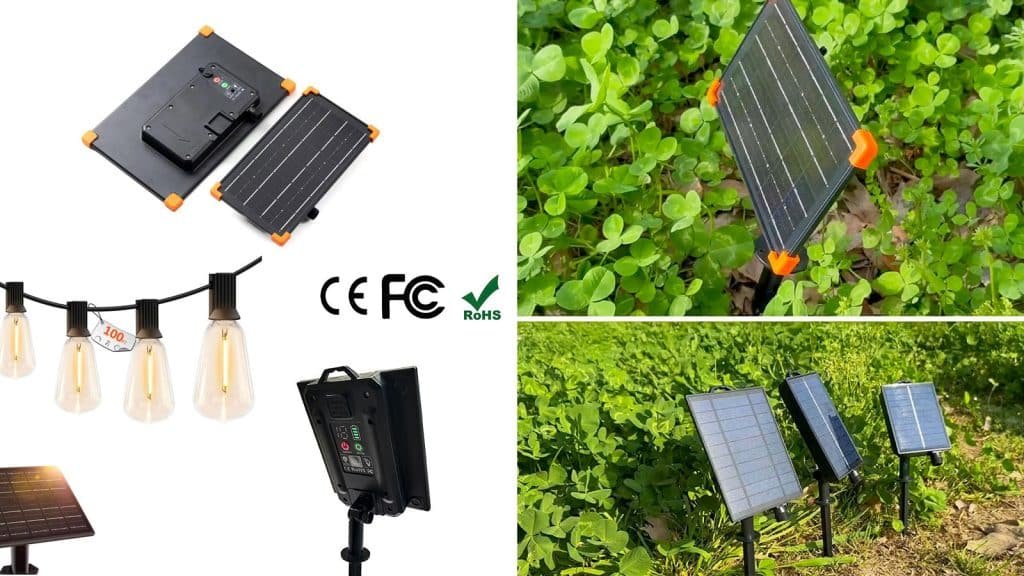
- Solar Panel: This is like the power plant of your system. Remember those calculators that worked with just light? Your solar panel works the same way, but it’s much more powerful. It turns sunlight into electricity that powers your lights.
- Battery: Think of this as your energy savings account. During the day, it stores power for when you need it at night. Just like a phone battery, it needs proper care to last longer.
- LED Bulbs: These are the stars of the show – literally! They’re like tiny, energy-saving spotlights that create those beautiful patterns in your garden.
- Protective Housing: This is like a raincoat for your lights. It keeps rain, snow, and dirt away from the important parts inside.
How Weather Affects Your Lights
Just like we dress differently for different weather, your solar lights react differently to various climates. Let’s look at what this means for you:
| Your Weather | What It Does | How to Help |
|---|---|---|
| Hot and Humid (like Florida) | Makes batteries tired faster and can let moisture sneak in | Give them breathing room and extra protection from moisture |
| Cold and Snowy (like Minnesota) | Slows down the battery and ice can cause damage | Keep them warm and angle them to avoid snow buildup |
| Near the Ocean | Salt in the air can cause rust and wear | Clean them more often and use special protective spray |
Quick Tip: Not sure about your climate zone? Think about your typical year. Do you see more sun, snow, or rain? This will help you focus on the right care tips for your situation.
Have you noticed how your lights perform differently in different seasons? Understanding these patterns is your first step toward better maintenance. In the next section, we’ll look at exactly how to clean and care for your lights the right way.
2. Professional Cleaning and Maintenance Made Easy
Did you know that dirty solar panels can lose up to 30% of their power? That’s like trying to see through a dusty window – everything looks dimmer. Let’s learn how to keep your solar lights clean and bright, just like the professionals do, but with tools you already have at home.
Your Simple Cleaning Kit
You don’t need fancy equipment to clean your solar lights. Here’s what to gather from around your house:
- 🧽 A soft cloth (microfiber works best)
- 🚰 Clean water
- 🧴 Mild dish soap (the kind you use for glasses)
- 🧹 A soft brush (like an old makeup brush)
- 📦 A clean, dry towel
Clean Your Lights in 5 Easy Steps
- Power Down: Turn off your lights first. It’s like unplugging your phone before cleaning it – just safer!
- Dust Off: Gently brush away loose dirt and leaves. Think of it like dusting your furniture – start with the big stuff.
- Gentle Wash: Mix a tiny bit of dish soap with water. Using your soft cloth, clean the solar panel and lights with gentle circles.
- Fresh Rinse: Wipe everything with a clean, damp cloth to remove soap. Leftover soap can attract more dirt!
- Dry Time: Pat everything dry with your clean towel. Water drops can leave marks on your solar panels.
When Should You Clean?
| Your Area | How Often to Clean | Why This Works |
|---|---|---|
| City or Near Roads | Every 2-3 weeks | More dust and car exhaust means more cleaning |
| Suburban Areas | Monthly | Regular cleaning keeps lights bright |
| Rural Areas | Every 6-8 weeks | Less pollution means less frequent cleaning |
Handy Tip: Set a reminder on your phone for cleaning day. Just like watering your plants, regular care makes a big difference!
Remember: If you notice your lights getting dimmer before your scheduled cleaning, go ahead and clean them early. Your solar lights will thank you with brighter, longer-lasting performance.
In the next section, we’ll look at how to protect your lights from different types of weather. After all, clean lights still need protection from rain, snow, and sun!
3. Climate-Specific Protection Strategies
Ever wondered why some solar lights last longer in your neighbor’s yard? The secret often lies in how well they’re protected from the weather. Let’s explore how to shield your lights from whatever Mother Nature sends their way.
Protection Tips for Every Climate
Hot Climate Solutions
- Create afternoon shade to prevent overheating
- Allow space around lights for airflow
- Check rubber seals monthly (heat can make them crack)
- Use light-colored mounts to reflect heat
Cold Climate Care
- Clear snow from solar panels promptly
- Check for ice buildup around seals
- Use weatherproof tape on connections
- Consider winter storage for portable lights
Rainy Area Tips
- Apply silicone sealant around edges
- Ensure proper drainage around mounts
- Check waterproof ratings regularly
- Use rain guards over solar panels
Seasonal Protection Schedule
| Season | Key Challenges | Protection Steps |
|---|---|---|
| Spring | Rain and pollen | Install rain guards, clean more often |
| Summer | Heat and UV damage | Add shade protection, check seals |
| Fall | Falling leaves, early frost | Clear debris, prepare winter protection |
| Winter | Snow, ice, cold damage | Use covers, maintain clear panels |
Smart Tip: Keep a few silica gel packets (like those found in shoe boxes) in your solar light battery compartments during humid seasons. They help absorb excess moisture!
Emergency Weather Protection
Sometimes bad weather strikes without warning. Here’s your quick-action plan:
- Before a Storm: If possible, bring portable lights inside
- During High Winds: Secure loose wires and remove hanging decorations
- After Heavy Rain: Check all seals and drain any water buildup
- Post-Storm Inspection: Look for any damage and repair promptly
Now that you know how to protect your lights from any weather, let’s move on to another crucial aspect: battery care and optimization.

4. Optimize Battery Life and Performance
Is your solar light battery dying too quickly? You’re not alone. Battery issues are the #1 reason why solar lights stop working early. But don’t worry – these simple battery care tips can double or even triple your battery life!
First-Time Battery Setup
Just got new solar lights? Start them off right with these steps:
- ✨ First Charge: Let them charge for 2 full sunny days before first use
- 📝 Write Down: Mark the installation date on the battery compartment
- ✅ Check Settings: Start with medium brightness to extend battery life
- 🔍 Verify Type: Confirm you have the right battery type (usually NiMH or Li-ion)
Daily Battery Care Tips
| Do This | Don’t Do This | Why It Matters |
|---|---|---|
| Let batteries charge fully | Use lights during charging | Complete charges extend battery life |
| Keep battery contacts clean | Touch contacts with bare hands | Clean contacts ensure good charging |
| Store extras in a cool place | Leave spares in hot places | Heat damages unused batteries |
| Check connections monthly | Ignore corrosion signs | Good connections mean better charging |
Know When to Replace Batteries
Watch for these signs that your batteries need replacement:
- 🔋 Lights don’t stay bright for as long as before
- 🔋 Battery doesn’t hold a full day’s charge anymore
- 🔋 Lights flicker even after a sunny day
- 🔋 Runtime is less than half of what it used to be
Money-Saving Tip: Replace all batteries at the same time, even if some still work. Mixed old and new batteries can cause uneven charging and early failure.
Seasonal Battery Adjustments
Summer Care
- Check more often for overheating
- Use shorter lighting times
- Consider battery cooling options
Winter Care
- Insulate battery compartments
- Use longer charging times
- Switch to cold-resistant batteries
With your batteries now running at their best, let’s look at how to spot and fix common problems before they become serious issues.
5. Troubleshooting Common Issues Like a Pro
Even with great care, solar lights sometimes act up. The good news? Many common problems have simple fixes you can do yourself. Let’s walk through the most frequent issues and their solutions.
Quick Problem-Solving Guide
| Problem | Possible Causes | Easy Fixes |
|---|---|---|
| Lights Won’t Turn On | • Dirty solar panel • Dead battery • Wrong mode setting | 1. Clean panel 2. Check switch position 3. Try new batteries |
| Dim Lights | • Weak battery • Partial shade • Dust buildup | 1. Clean thoroughly 2. Adjust position 3. Check for shadows |
| Lights Flicker | • Loose connection • Water damage • Dying battery | 1. Tighten connections 2. Dry components 3. Replace battery |
Step-by-Step Problem Solving
Follow this simple checklist when your lights aren’t working right:
- Check the Basics First:
• Is the switch on?
• Is the solar panel clean?
• Are there any visible damages? - Test in Different Conditions:
• Try on a sunny day
• Cover the sensor to force activation
• Test in complete darkness - Inspect All Connections:
• Look for loose wires
• Check for corrosion
• Ensure tight battery fit
Time-Saving Tip: Take a photo of your lights when they’re working well. This gives you a reference point to spot changes in brightness or color later!
When to Call a Professional
Some problems need expert help. Contact a professional if you notice:
- 🔌 Exposed or damaged wiring
- 💧 Water inside sealed areas
- 🔥 Signs of overheating
- ⚡ Electrical issues affecting other devices
Prevent Future Problems
Stay ahead of issues with these simple habits:
Weekly Checks
- Quick visual inspection
- Wipe solar panels
- Check light patterns
Monthly Tasks
- Deep clean all parts
- Test all modes
- Check connections
Now that you know how to fix common problems, let’s look at how to organize your maintenance throughout the year with a seasonal care routine.
6. Create Seasonal Care Routines
Just like your garden needs different care in different seasons, your solar lights need seasonal attention too. Let’s break down exactly what to do throughout the year to keep your lights shining bright.
Your Season-by-Season Guide
🌸 Spring Care
- Deep Clean: Remove winter buildup
- Check Seals: Look for winter damage
- Adjust Timers: Reset for longer days
- Test All Lights: Replace any damaged units
☀️ Summer Care
- Heat Protection: Add shade if needed
- Regular Cleaning: Remove pollen/dust
- Battery Check: Look for swelling
- Adjust Angles: Optimize for high sun
🍂 Fall Care
- Clear Leaves: Keep panels clear
- Check Timers: Adjust for shorter days
- Seal Check: Prepare for rain
- Position Check: Adjust for low sun
❄️ Winter Care
- Snow Removal: Keep panels clear
- Insulation: Protect batteries
- Position: Adjust for winter sun
- Coverage: Add weather protection
Monthly Maintenance Calendar
| Month | Key Tasks | Time Needed |
|---|---|---|
| January | Snow removal, check batteries | 15 mins/week |
| April | Spring cleaning, damage check | 2 hours once |
| July | Heat protection, clean panels | 30 mins/week |
| October | Winterizing, position adjustment | 2 hours once |
Planning Tip: Add these maintenance dates to your phone calendar with reminders. Even a 15-minute check can prevent bigger problems later!
Quick Seasonal Checkup List
- ✅ Panel Position: Check and adjust every season
- ✅ Weather Protection: Update based on forecast
- ✅ Timer Settings: Adjust for day length
- ✅ Battery Health: Test performance quarterly
- ✅ Cleaning Schedule: Adapt to local conditions
Now that your maintenance schedule is set, let’s look at some smart upgrades that can make your solar lights even better and easier to maintain.
7. Smart Upgrades and Optimization
Want to make your solar lights even better? Think of these upgrades like giving your lights a superpower boost! Here are some simple ways to enhance your lighting system without breaking the bank.
Easy Upgrades Anyone Can Do
😊 Beginner-Friendly
- Add reflective backing behind lights
- Install motion sensors
- Use better quality batteries
- Add weather shields
🔧 Some Skills Needed
- Install separate solar panels
- Add battery backup systems
- Set up light timers
- Create mounting brackets
👨🔧 Pro Installation
- Smart control systems
- Automatic switching
- Weather monitoring
- Remote operation
Cost vs. Benefit Guide
| Upgrade Type | Typical Cost | Benefits | Worth It? |
|---|---|---|---|
| Better Batteries | $10-20 | 2x longer life | ✅ Yes! |
| Weather Shields | $5-15 | 3x protection | ✅ Yes! |
| Motion Sensors | $15-30 | Save power | 🤔 Maybe |
| Smart Controls | $50+ | Convenience | 💡 For tech fans |
Money-Saving Tip: Start with simple upgrades like better batteries and weather protection. These give you the most value for your money!
Future-Proof Your System
Here’s how to make sure your solar lights keep up with new technology:
- 🔄 Choose lights with replaceable parts
- 📱 Look for “smart-ready” features
- 🔋 Pick systems that can use different battery types
- 🛠️ Select brands that offer upgrade kits
When to Upgrade
Consider upgrading your solar lights when you notice:
Signs It’s Time
- Shorter running times
- Frequent repairs needed
- Outdated features
- Rising energy needs
Wait If You See
- Good performance
- Recent installation
- Simple needs met
- Limited budget
Conclusion
Taking care of your solar string lights doesn’t have to be complicated. By following these seven expert tips, you can enjoy beautiful, bright lighting for years to come. Remember:
- ✨ Clean regularly
- 🌡️ Protect from weather
- 🔋 Care for batteries
- 📅 Follow seasonal schedules
- 🛠️ Upgrade smartly
Ready to make your outdoor lighting even better? Click here to explore our selection of durable, long-lasting solar string lights and accessories.
Frequently Asked Questions
Find answers to common questions about maintaining and optimizing your solar string lights. Our expert guide covers everything from basic care to advanced features.
1. How long do solar string lights typically last?
Quality solar string lights can last 2-3 years on average, with proper maintenance extending their lifespan to 5-7 years. Regular cleaning, protecting from extreme weather, and optimal placement for charging are key factors in longevity.
2. What’s the best way to clean solar string lights?
Clean solar panels and light fixtures monthly using a soft, damp cloth. For stubborn dirt, use mild soapy water. Avoid abrasive materials that could scratch surfaces. Regular cleaning ensures optimal charging and brightness.
3. Can solar string lights be left out in winter?
Yes, but with precautions. Adjust panel angles to capture low winter sun, clear snow promptly, and consider bringing portable lights indoors during extreme cold. Using weatherproof covers for solar panels and battery compartments can protect against moisture.
4. How can I maximize the battery life of my solar string lights?
To extend battery life, allow for full charge cycles, avoid partial charging/discharging, and store removable batteries in a cool, dry place when not in use. Replace batteries every 1-2 years or when performance significantly decreases.
5. Why are my solar string lights dimming or flickering?
Dimming or flickering often indicates low battery charge, dirty solar panels, or loose connections. Clean the solar panel, check all wiring, and ensure the lights receive adequate sunlight. If issues persist, consider replacing the batteries.
6. What’s the ideal placement for solar string lights in a garden?
Position solar panels where they receive 6-8 hours of direct sunlight daily. Avoid shaded areas and nearby artificial light sources. Use sun path calculators to optimize placement throughout the year, especially for partially shaded gardens.
7. How do I troubleshoot solar string lights that won’t turn on?
Check the on/off switch, ensure the solar panel is clean and receiving direct sunlight, and verify battery connections. If issues persist, try resetting the system by turning off lights, disconnecting batteries for a few minutes, then reconnecting.
8. Are there smart features available for solar string lights?
Yes, many modern solar string lights offer smart features like smartphone app control, voice assistant compatibility, and automated scheduling. These features can enhance convenience and optimize energy usage for longer-lasting performance.
9. How do I protect my solar string lights from theft or vandalism?
Use security screws or mounting brackets to secure lights and solar panels. Consider installing motion-activated security cameras or alarms near your lighting setup. Some smart solar lights also offer anti-theft features like GPS tracking.
10. Can I integrate solar string lights with my existing outdoor lighting system?
Absolutely! Many solar string lights can complement traditional outdoor lighting. Use smart controllers to synchronize solar and wired lights, creating cohesive lighting scenes. Consider color-changing solar options for versatile integration with existing setups.
Have more questions about your solar string lights? Contact our expert team for personalized advice and solutions.