
As solar lighting becomes an increasingly popular choice for eco-friendly outdoor illumination, users are diving deeper into ways to maximize their setups. This article answers advanced FAQs for solar enthusiasts looking to enhance the efficiency, durability, and performance of their solar-powered outdoor motion lights. Couleelight specializes in high-quality solar lighting solutions, and with these expert tips, you’ll discover how to get the most out of your investment.
FAQ 1: Can I Connect My Solar Lights to an External Battery for Longer Performance?
Using an External Battery: Many motion-activated solar lights come with replaceable batteries but may not support external battery connections. Consult your product manual or contact the manufacturer for compatibility.
Battery Capacity: If you’re looking to extend performance, upgrading to a higher-capacity rechargeable battery can be an alternative. Couleelight’s solar motion security lights, for example, support battery replacements to help boost longevity.
Charging Alternatives: Some advanced solar lights offer USB or AC charging as a backup option. These hybrid models can run off stored energy when sunlight is insufficient, giving you lighting on demand.
FAQ 2: How Can I Increase the Brightness of My Solar Sensor Lights Without Draining the Battery?
Maximizing Brightness: Opt for high-efficiency LED models, which provide bright illumination while using minimal power. Top-quality solar lights use advanced LEDs designed to maximize brightness without rapid battery depletion.
Optimize Charging Conditions: Ensure your solar panel receives direct sunlight throughout the day. Obstructions or poor positioning can lead to insufficient charging, reducing both brightness and runtime.
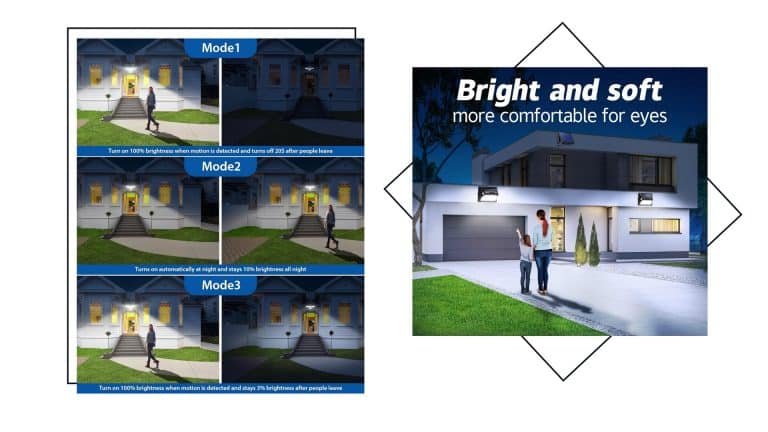
Dimming Options: Using lower brightness settings for less critical areas and reserving maximum brightness for high-security zones can help conserve battery life. Consider lights with adjustable settings, which allow you to choose brightness levels based on your specific needs.
FAQ 3: Are Solar Motion Security Lights Effective in Areas with Frequent Cloud Cover?
Charging Challenges in Cloudy Areas: Solar lights can still function in cloudy regions, though performance may be impacted. To compensate, consider high-efficiency panels that capture more ambient light or use models with higher-capacity batteries.
Alternative Charging: Hybrid solar lights that allow USB or AC backup charging can help ensure reliable performance in areas where sunshine is inconsistent. Couleelight offers models (e.g.: CLL-PL-368) equipped with these dual-power options to guarantee dependable lighting even in less sunny climates.
Placement Optimization: Install the solar panel in the least-shaded, sunniest location available. Even a slight change in angle or positioning can significantly impact charging efficiency.
FAQ 4: What’s the Best Way to Clean and Maintain Solar Panels for Optimal Performance?
Regular Cleaning Tips: Dust, pollen, and bird droppings can block sunlight from reaching your solar panels, reducing efficiency. Clean panels monthly using a soft cloth, warm water, and mild soap. Avoid abrasive cleaners, as they may scratch the panel.
Maintenance During Winter: Snow and frost can impair solar panel function. In winter, gently remove any snow or ice accumulation and ensure the panel is angled to prevent buildup. Some users apply a light coat of clear plastic to shield the panel without hindering light absorption.
Annual Checks: Perform a thorough check each spring and fall. Inspect for cracks, debris, or signs of wear. Keeping panels clean can improve charging rates and overall light output significantly.
FAQ 5: Can I Integrate My Solar Motion Lights with Other Smart Home Devices?
Smart Home Compatibility: Some solar motion security lights offer limited smart home features, typically through Wi-Fi or Bluetooth connectivity. This allows for remote control via apps, light scheduling, and even integration with other smart security systems.
Third-Party Devices: If your solar lights lack built-in smart capabilities, consider using them alongside motion-activated cameras or smart alarms that offer mobile alerts.
Choosing Smart-Compatible Solar Lights: Look for solar lights explicitly designed for smart home use. As demand grows, more options are available with smart features, including mobile app control, Alexa or Google Assistant compatibility, and programmable timers.
FAQ 6: How Should I Position Solar Lights for Maximum Security?
Strategic Placement: For security purposes, position lights at entry points, pathways, and near windows. Mounting lights at a height of 6-10 feet provides the best coverage while keeping the light out of easy reach.
Layering Lights for Full Coverage: Use multiple solar lights around your property for layered protection. For example, place a solar-powered outdoor motion light near the driveway, one at the front door, and another near any side or back entrances.
Reducing Blind Spots: Install lights at overlapping angles to avoid blind spots and maximize security. Couleelight’s wide-angle models are ideal for this purpose, offering up to 180° coverage (Radar Sensor) to keep your home protected.
FAQ 7: Can Solar Lights Be Used to Create Ambiance in Outdoor Spaces?
Ambiance Lighting: Solar lights aren’t just for security—they’re also great for creating ambiance in gardens, patios, and walkways. Look for models with dimmable settings or soft glow features for a relaxing atmosphere.
Choosing Decorative Solar Lights: Options like solar string lights or pathway markers add charm without overpowering your outdoor space. Couleelight offers a range of decorative lights to suit various aesthetic preferences, from soft white to colorful LED options.
Positioning for Effect: Position decorative lights around focal points, such as garden sculptures, outdoor dining areas, or walkways, to highlight these features. By combining functional and decorative lighting, you can transform your outdoor space into a welcoming retreat.
FAQ 8: How Can I Tell When My Solar Light Battery Needs Replacement?
Signs of Battery Wear: Reduced runtime or dim lighting are common indicators of battery wear. If your solar sensor lights seem to be dimming quickly, it’s likely time for a replacement.
Battery Type and Lifespan: Solar light batteries typically last 2000 – 5000 cycles with regular use. Check if your light uses rechargeable lithium-ion batteries, which offer longer life and are easy to replace in most models.
Where to Find Replacements: Purchase compatible batteries from the manufacturer to ensure a good fit and maintain light performance.
FAQ 9: Do Solar Motion Lights Deter Animals from Entering My Yard
Animal Deterrent Benefits: Motion-activated solar lights can deter animals like raccoons, deer, and rodents, who are startled by sudden illumination. Bright lights can be particularly effective in keeping unwanted wildlife away from gardens and trash areas.
Non-Invasive Placement: For areas where wildlife activity is common, install lights with moderate brightness and set them to activate only when necessary. This can help prevent wildlife from becoming accustomed to the lights.
Best Models for Wildlife Deterrence: Choose lights with high-sensitivity sensors to maximize detection. Couleelight’s models are equipped with customizable motion detection settings, making them ideal for managing both security and wildlife disturbances.
FAQ 10: Are There Any Special Considerations for Using Solar Lights Near Pools or Water Features?
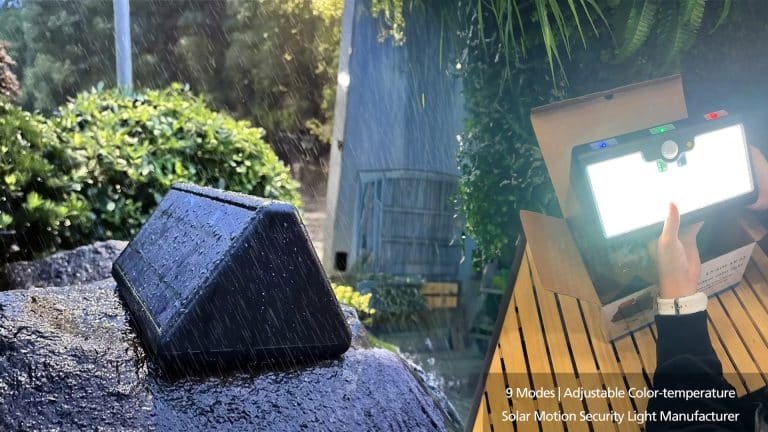
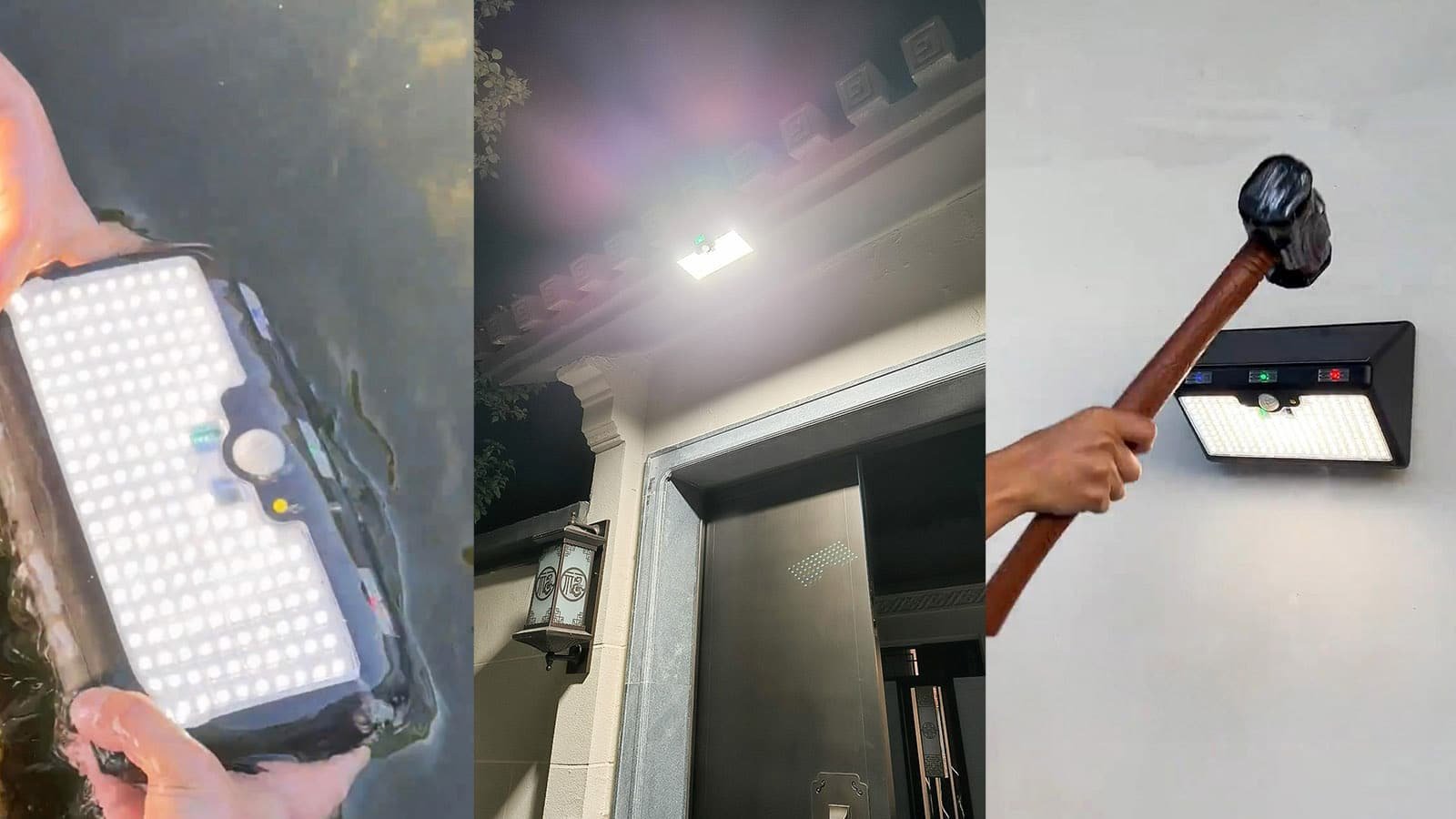
Waterproof Ratings: When placing lights near pools, fountains, or other water features, choose models with an IP65 or higher waterproof rating to ensure durability against splashes and humidity.
Corrosion Prevention: Prolonged exposure to water can lead to corrosion, so opt for lights with stainless steel or treated metal components. Check the light housing periodically for signs of wear and apply a protective coating if needed.
Ideal Placement: Position lights around the pool perimeter for safety and ambiance but avoid placing them directly over the water to reduce the risk of accidents.
Conclusion: Expert Tips for Mastering Solar Outdoor Lighting
Solar lights offer a unique blend of functionality, security, and ambiance for outdoor spaces, and knowing how to optimize them can make all the difference. Whether you’re a first-time user or an experienced solar enthusiast, these FAQs help ensure you’re getting the best performance out of your solar-powered outdoor motion lights.
For more insights and high-quality solar lighting options, explore Couleelight’s products or reach out to us at info@couleelight.com or via WhatsApp at +1 737 702 0119.
Stay connected with us on LinkedIn, Facebook, Instagram, and YouTube for updates, new products, and tips on creating the perfect outdoor lighting setup