
The right OEM partner does more than quote a unit price. Use these ten questions to evaluate product fit, solar performance, quality controls, compliance, and the practical details that shape a dependable supply relationship.
Solar string lights are a natural fit for patios, gardens, hospitality spaces, event venues, and retail programs. For a brand, importer, or project buyer, however, choosing an OEM solar string lights manufacturer takes more than comparing catalog photos. You need a product that fits your market, performs as expected in real conditions, and arrives with the documentation and support your channel requires.
Use the questions below in supplier calls and sample reviews. Ask for written, model-specific answers. A clear response—and supporting evidence—is more useful than a broad promise.
Who will actually manufacture the product?
Clarify whether you are speaking with the factory, a trading company, or a partner coordinating production. Each model can work, but you should know who owns product engineering, quality decisions, and corrective actions.
Ask where assembly and testing take place, which processes are handled in-house, and who is responsible if a sample or production batch misses the agreed specification. Request a factory profile and, when appropriate, a live or in-person facility review.
Can the product be configured for my application?
Start with the installation rather than a catalog SKU. A hospitality patio, a wedding venue, and a garden retail product may need different cable lengths, bulb spacing, mounting options, light output, control methods, or packaging.
Share a short use-case brief: target market, installation environment, expected runtime, preferred appearance, and any channel requirements. Ask the manufacturer to identify which existing models fit and which changes would require new tooling or engineering review.
What can be customized—and what are the limits?
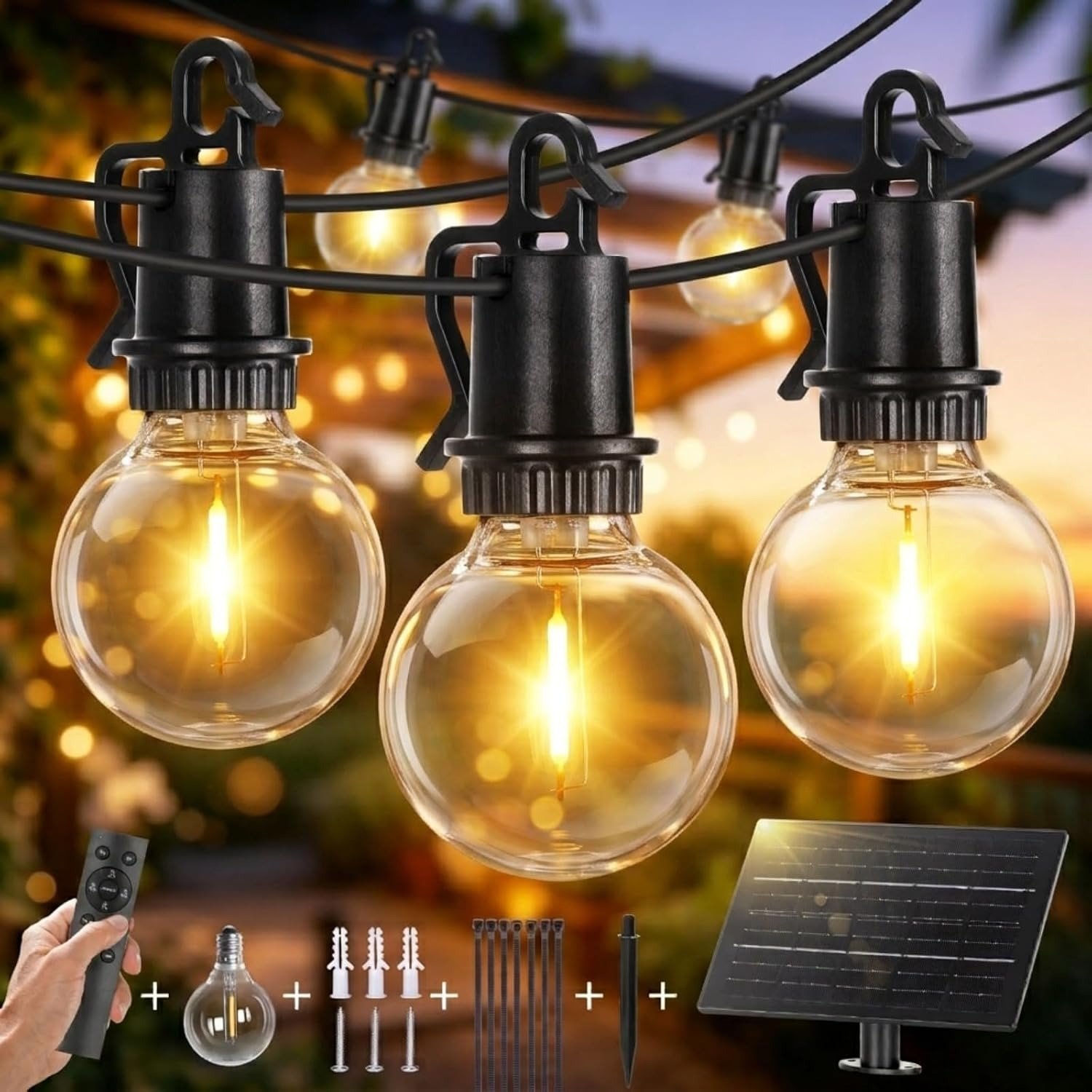
For private-label or OEM projects, ask for a customization matrix. It should separate standard options from changes that affect tooling, cost, minimum order quantity, or lead time.
- Product: string length, bulb shape and spacing, light color, cable color, control functions, and solar-panel mounting.
- Branding: logo placement, labels, instruction materials, and retail or shipping packaging.
- Commercial terms: artwork requirements, approval steps, tooling charges, and ownership of custom designs.
Request a signed-off specification and artwork proof before production. This reduces ambiguity when the project moves from sample to repeat order.
How is solar performance specified and tested?
“Solar powered” does not by itself explain how the lights will perform. Ask for the panel output, battery chemistry and capacity, charging conditions, operating modes, and the measured runtime under stated test conditions.
Also ask how results change with shade, season, panel angle, temperature, brightness setting, and consecutive cloudy days. For a commercial project, request a sample and test it in a representative installation before approving a large order. If USB or Type-C backup charging is offered, confirm which exact model includes it and what cable or adapter is supplied.
What does the weather-resistance rating cover?
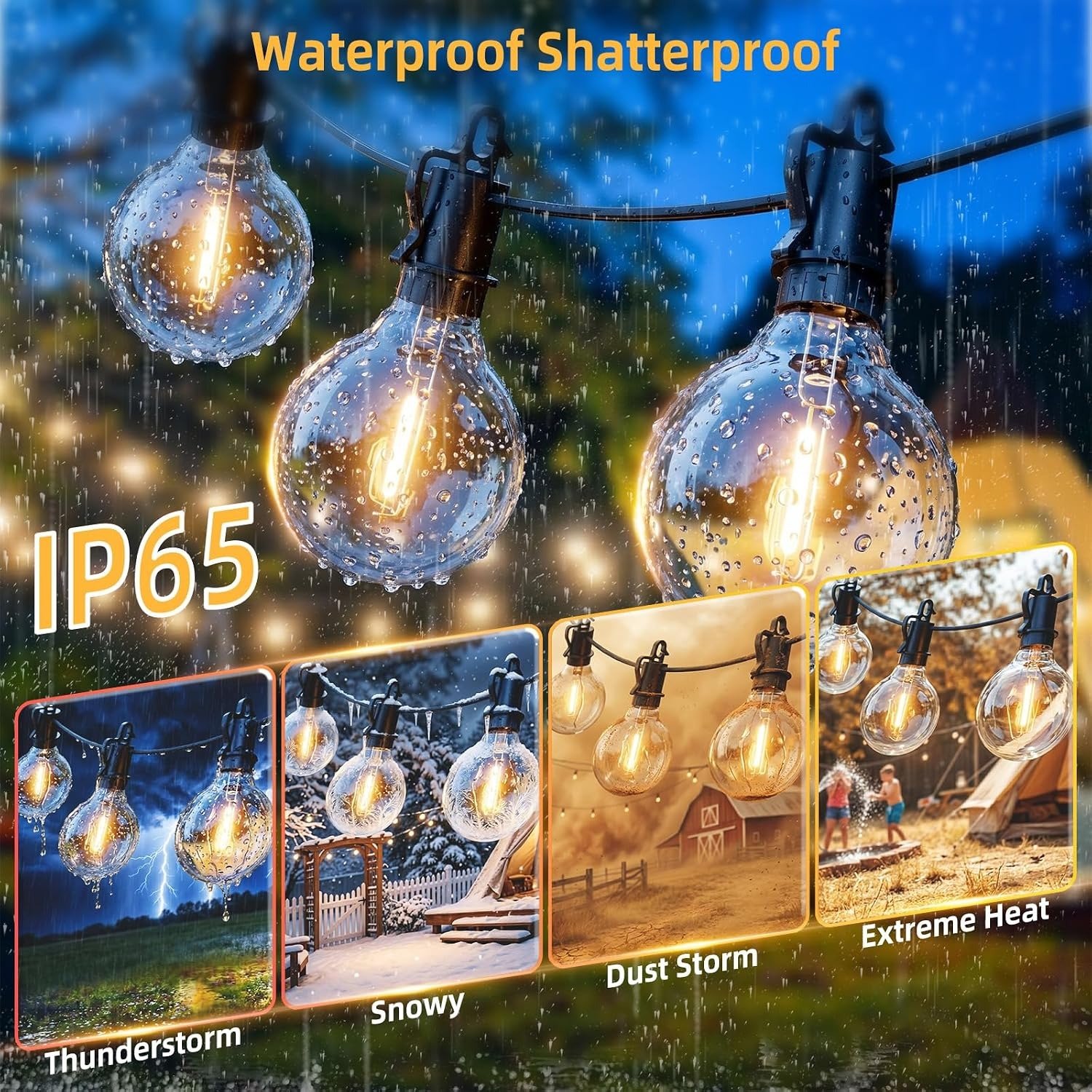
Outdoor suitability depends on the whole assembly and the installation instructions. Ask which components carry an IP rating, which test standard was used, and whether the rating applies to the bulb, connector, controller, solar panel, and battery enclosure—or only selected parts.
Clarify whether the product is designed for rain exposure, seasonal installation, or year-round use in your target climate. Ask for the corresponding test reports and care guidance. Avoid treating “waterproof” as a substitute for a defined rating and documented test scope.
How does the manufacturer control quality?
Ask how incoming components, assembly, and finished products are checked. A useful quality plan identifies inspection stages, acceptance criteria, sampling method, functional tests, and the process for recording and resolving defects.
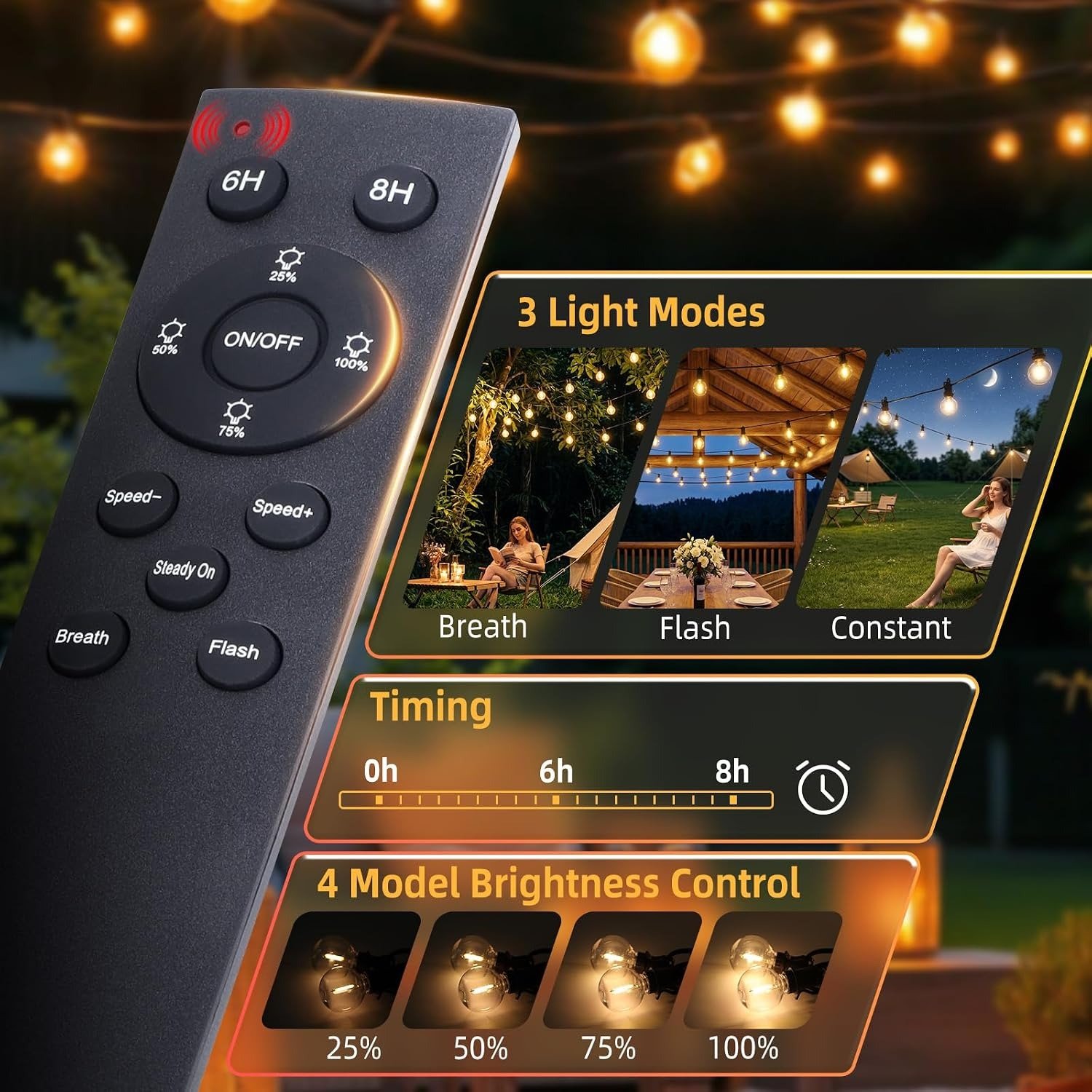
For string lights, ask whether the production test checks charging, illumination, remote or timer functions, connectors, cable condition, and packaging completeness. Confirm how reference samples and approved specifications are controlled so that repeat orders remain consistent.
Which compliance documents are available for my market?
Requirements vary by destination, product design, power system, and sales channel. Tell the manufacturer where you plan to sell and ask which product-specific reports, declarations, labels, and battery-shipping documents are available.
Verify that documentation matches the exact model and configuration. If a retailer or marketplace has its own requirements, share them before sample approval. Have your compliance specialist or importer confirm whether the supplied evidence meets local rules; a logo or certificate name alone is not enough.
What are the MOQ, pricing tiers, and cost assumptions?
Request a quotation that breaks out the product configuration, packaging, tooling or setup charges, sample cost, shipping terms, and price breaks by order quantity. Confirm the currency, quote validity, payment milestones, and what could cause the price to change.
Ask whether the stated MOQ applies to each model, color, package design, or total order. A low headline price is not comparable if it excludes custom packaging, compliance testing, or required accessories.
How are samples, approvals, and production scheduled?
Map the timeline from brief to shipment: sample preparation, revisions, artwork approval, production slot, inspection, and logistics. Ask which steps start the lead-time clock and which buyer approvals are needed to keep the schedule on track.
When possible, test a production-representative sample rather than a specially prepared display unit. Record all approved details—including light mode, cable length, label, carton, and accessories—before authorizing mass production.
What support is available after delivery?
Before placing an order, agree on the warranty period and what it covers, how claims are submitted, expected response times, and whether replacement parts are available. Ask how the supplier handles recurring defects and communicates corrective actions.
For a retailer or distributor, also consider spare bulbs or components, installation instructions, troubleshooting materials, and packaging that helps reduce customer confusion. A clear after-sales process protects both your brand and your channel partners.
Choose a partner who can answer with evidence
The best solar string lights OEM manufacturer for your project is the one that understands your market, explains trade-offs clearly, and supports its claims with specifications, samples, and documentation. Use these ten questions to create a consistent scorecard for every supplier you evaluate.
Before requesting a quote, prepare your expected order quantity, destination market, preferred light appearance, installation type, target runtime, customization needs, packaging requirements, and launch timing. The more specific the brief, the more useful and comparable the supplier responses will be.
Planning a solar string light project?
Share your target market, application, and customization goals with Couleelight. Our team can help you discuss product options, samples, and the information needed for a project quotation.
Discuss an OEM projectEmail: info@couleelight.com
[…] further guidance, read our OEM supplier checklist and guide to customization for your […]