

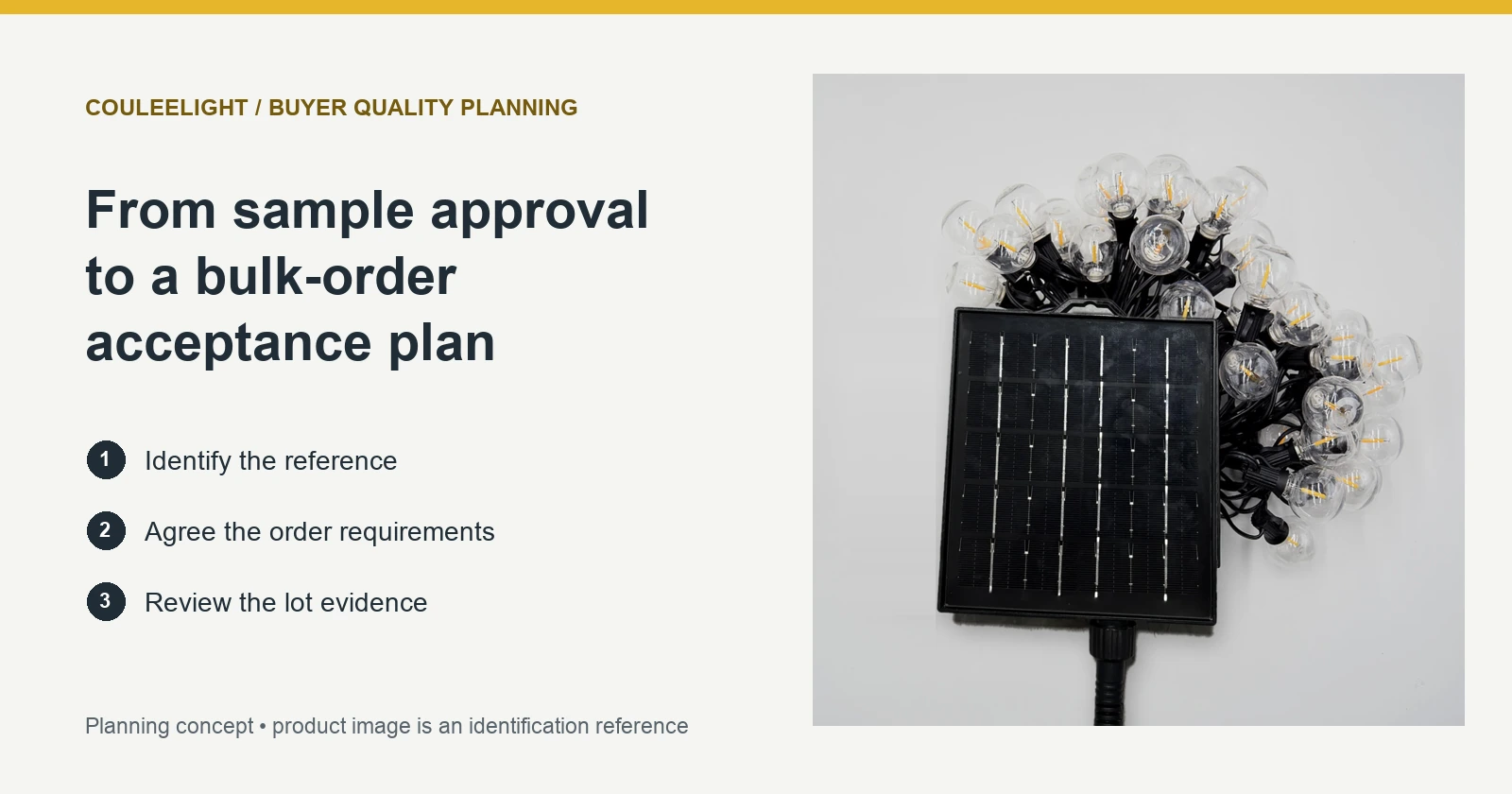
A sample lights up correctly, the buyer emails “approved”, and production is booked. Weeks later, the shipment has a different remote, a revised battery or a box that no longer matches the artwork. What did the approval actually cover?
Approve an identified configuration and a defined scope, then carry both into the order. A reference sample helps show what was accepted. The specification explains what production must meet. The batch records and inspection results support the decision about the goods being shipped. Each has a different job.
This guide is for importers, brand buyers, quality managers and wholesalers moving from sample review to bulk supply. It offers a buyer–supplier planning method; it does not describe a verified Couleelight factory quality system or provide model-specific test limits.
In this guide
- Define what the sample approval covers
- Put the approved version into the order
- Choose checks and evidence for the batch
- Agree the sampling decision
- Copy the sample approval record
- Review changes before substitution
- Resolve differences and retain traceability
Define what the sample approval covers
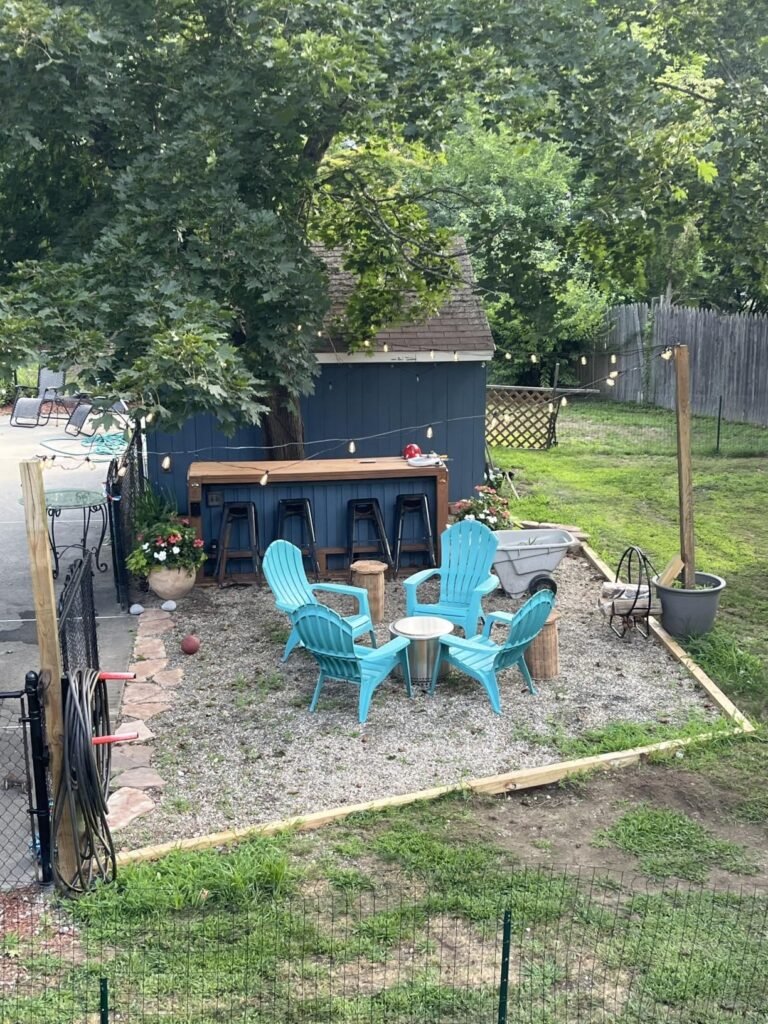
Start with the destination market, sales channel and intended installation. A temporary garden display and a hospitality installation may raise different questions about mounting, exposure, operating schedule and instructions. Record these uses before deciding which evidence is sufficient. Have the responsible compliance specialist identify the applicable product requirements, editions and market-specific provisions.
For example, IEC 60598-2-20:2022 (opens in a new tab) addresses lighting chains for indoor or outdoor use within its stated scope. Its existence does not establish that every solar kit has been assessed against it, or that it alone covers the kit’s battery, radio functions or destination-market obligations. Identify the actual design and required evidence first.
Give the sample a unique reference, date and revision. State whether it is a demonstration unit, a prototype, or representative of the intended production build, and list any differences the supplier has disclosed. Identify the buyer SKU, supplier model and component references together; a bulb shape such as G40 or S14 cannot identify the full system.
The approval should distinguish appearance, operation, documented specifications and test evidence. A photograph can record a connector’s appearance. It cannot establish its pin map, battery chemistry or enclosure protection. A successful evening demonstration is an observation under those conditions, not proof of daily solar recovery or the conformity of a future batch.
Write a precise decision: “Appearance approved to photographs [references]; operation reviewed to procedure [revision]; packaging pending [action].” This is example wording, not an approval already issued. If an unresolved item affects production, state which work may proceed and which work must wait.
Put the approved version into the order
Use one controlled set of order references: purchase order, product specification, component list, drawings, approved sample record, packaging files and acceptance plan. Give each a revision and agree which document governs each subject. If the sample conflicts with the drawing or an email, resolve the conflict before releasing the affected work rather than relying on “same as sample”.
Keep three records linked
Sample reference
Sample ID, photographs and the scope actually approved.
Order baseline
Specification, component list and packing revisions named in the order.
Batch evidence
Lot identity, inspection results, change decisions and shipment release record.
Concept map for buyer–supplier agreement. These links identify the records; sample approval does not release a production lot.
The system description should identify the following, as relevant to the purchased configuration. Integrated parts should be shown as integrated, with their specifications still traceable.
- String and lamps: bulb and socket references, material, operating bulb count, matched spares, illuminated and lead lengths, spacing, cable and any extensions. Separate actual electrical ratings from appearance or equivalent-wattage claims.
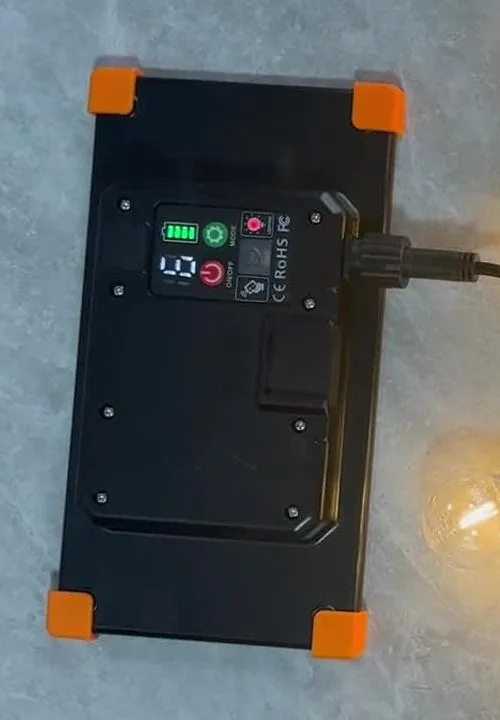
- Energy and control assembly: panel model and ratings; battery chemistry, cell/pack identity, nominal voltage and capacity basis; control-box model, output variant and relevant hardware or firmware revision. Keep panel input, battery voltage and lighting output distinct.
- Interfaces and behaviour: mating connector pair, pin map and sealing arrangement; compatible drive and load; agreed light colour, dimming, switching, timer, remote and restart behaviour where supplied.
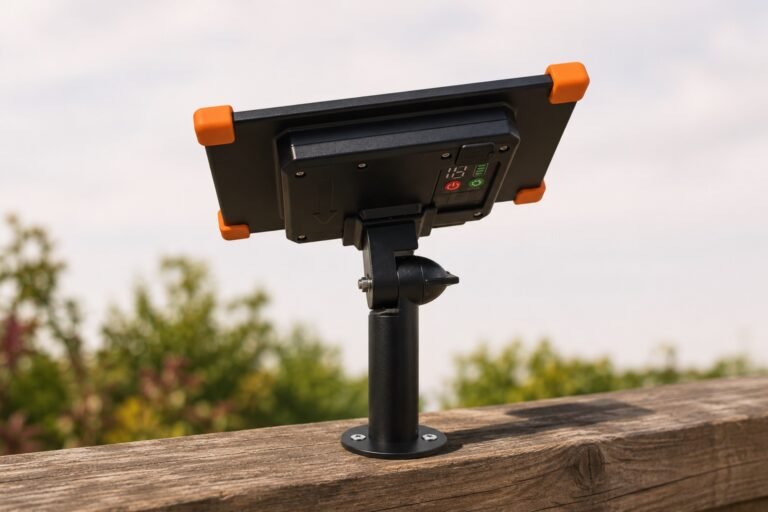
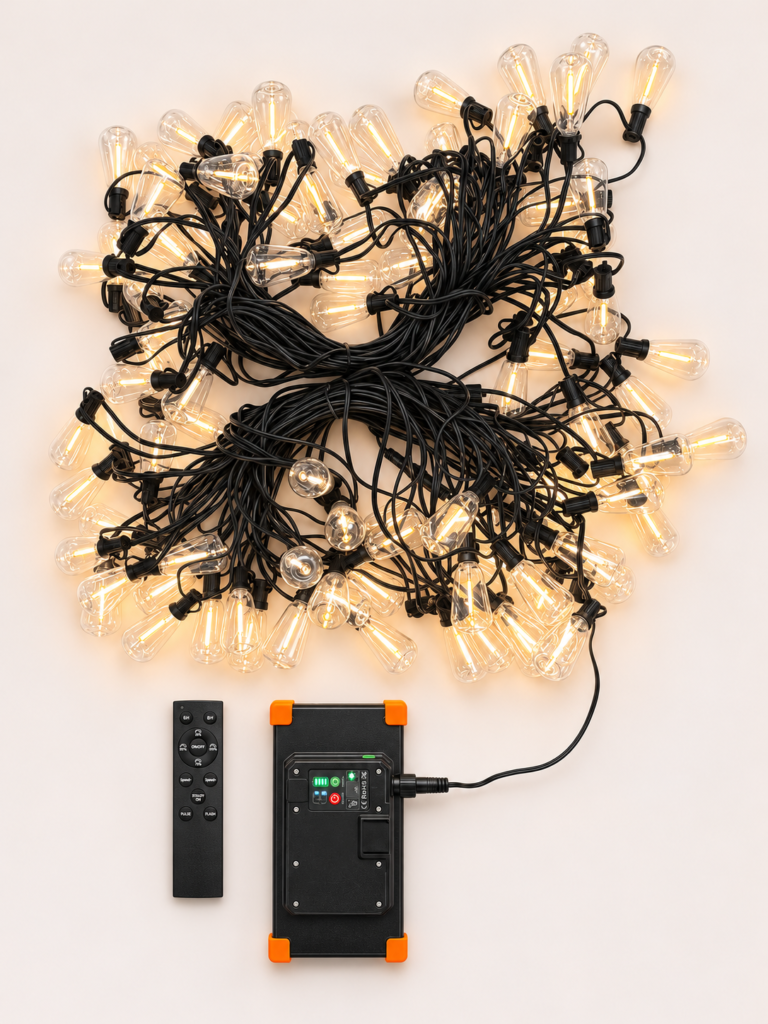
- Delivered set: mounts, fixings, leads, remote and accessories with quantities; manual language and revision; labels, artwork, barcode data, inserts, set/carton quantities and carton identification.
A substituted component can leave the outside unchanged. Ask the supplier to identify how the approved internal build will be linked to production records and what evidence can be supplied for the order. Do not infer a battery identity from the control-box housing or open a sealed sample merely to identify it; arrange any necessary verification with the responsible supplier or qualified laboratory.
Keep the accepted references available to both parties and the appointed inspector. If duplicate reference samples are retained, identify each one and agree custody, storage and replacement arrangements. Preserve photographs and objective limits because a physical reference can age, become damaged or lose charge.
Our OEM supplier selection guide (opens in a new tab) addresses who will make the product and what to ask before choosing a partner. This acceptance plan starts once a proposed configuration is ready to become an order requirement.
Choose batch checks by the decision they support
For every required check, specify the requirement reference, method, conditions, acceptance criterion, coverage or sampling basis, responsible person and retained evidence. Agree when it happens and who reviews the result. A supplier’s production check, an independent shipment inspection and a laboratory assessment can complement one another; they are not interchangeable.
SGS’s pre-shipment inspection scope (opens in a new tab) includes document, dimensional, visual, packing and marking checks, as well as witnessed tests. Use that breadth to define the work you need, rather than assuming that a booking for “inspection” includes every performance or compliance test.
| Decision / item | Evidence to specify for this order | Boundary to resolve |
|---|---|---|
| Is this the ordered build? | Sample ID; product/component revisions; lot and carton references; comparison with the agreed configuration and production records. | How internal components are verified; who supplies and reviews the records. |
| Is workmanship acceptable? | Defined visual defect examples; inspection conditions; dimensional method and tolerances; photographs and actual findings. | Defect categories and judgement rules agreed before inspection. |
| Does the complete set operate as agreed? | Test of the identified box, string and accessories; mode sequence, settings, charge preparation, observation period and results. | Which functions are checked, on how many units, and with what limits. |
| Are charging and runtime requirements supported? | Separate methods for solar charging/recovery and battery-powered runtime; identified assembly, starting state, environment, settings, endpoint and recorded results. | Whether evidence is design validation, periodic verification or lot-specific testing; schedule and sample allocation. |
| Does protection/compliance evidence cover the build? | Reports and supporting documents identifying models, revisions, assessed components, methods, editions and conditions. | Applicability to the target market and any changed seals, materials, battery, electronics or interfaces. |
| Will the right complete set arrive? | Contents count; current manual/artwork; label and barcode check; packing arrangement; carton quantities, measured data and agreed transport-test evidence. | Who checks packed goods, which packing levels are covered, and what triggers a packing review. |
Runtime evidence needs an agreed starting charge state, brightness and mode, ambient conditions and an endpoint that explains what “still running” means. A light that remains faintly visible may not meet the intended requirement. Solar recovery needs its own charging method and exposure conditions; neither a brief charging indication nor nominal panel wattage establishes daily energy recovery.
For protection, identify the component and assembly covered by the evidence, including connector engagement and port closure conditions. A rating on the control box should not silently become a rating for the entire set. Qualification or destructive tests may need separate samples and laboratory time; settle their scope before shipment readiness becomes urgent.
Name the supplier’s quality contact, the inspector or laboratory where appointed, the buyer’s technical reviewer and the person authorised to release shipment. Agree the production stage at which goods and records must be ready, access to cartons, equipment and test samples, reporting deadlines, and responsibility for testing or reinspection costs. Define inspection and release milestones explicitly in the order terms.
Agree how sampling leads to a lot decision
AQL is the acceptance quality limit used to index a sampling scheme. It is not a promise that a shipment contains no more than that percentage of defects, and a passed sample does not mean every unit passed. NIST’s acceptance-sampling guidance (opens in a new tab) distinguishes deciding whether to accept a lot from estimating the lot’s quality.
As checked in October 2026, ISO 2859-1:2026, edition 3 (opens in a new tab) is the current ISO publication for AQL-indexed attribute sampling for lot-by-lot inspection, replacing the 1999 edition and its amendments. Cite the edition actually agreed for the order. Confirm with the responsible quality specialist that its scheme fits the supply pattern, especially for an isolated order; do not copy a table from an undated internet chart.
- Define the lot and inspection unit. Identify quantity, SKU, revision and production grouping. Decide how mixed variants or different builds are separated. State whether a check counts complete sets, components, nonconforming units or individual nonconformities.
- Choose the scheme and inspection level. Agree the applicable standard/edition, normal or other inspection status, plan type and any required switching rules. The inspection level and lot size help determine the sample-size code; the selected plan provides the actual sample size and decision rules. An inspection level is not an AQL value.
- Classify defects before counting them. Define safety or critical issues, major functional/usability defects and minor appearance defects for this product and use. Add agreed photographs or examples and rules for multiple findings on one unit. Specify a separate escalation/hold rule for safety or compliance concerns.
- Set the acceptance conditions. Select the applicable AQLs or other justified risk-based criteria, then derive the acceptance and non-acceptance numbers from the agreed plan. Specify random selection across the identified lot, test-specific coverage, incomplete-test handling and resubmission rules.
Do not choose a convenient sample count first and label it “AQL”. The buyer and supplier need to agree the risk basis and have the plan derived correctly. Nor should they approve a known safety or compliance problem simply because a cosmetic-defect count is within a table limit. No universal AQL, inspection level, sample quantity or defect allowance is prescribed here.
Use a sample approval record that can travel with the order
Copy the blank record below into your purchasing document, fill it in with the supplier and attach the referenced files. Use “not applicable” with a reason where appropriate. Blank fields remain unresolved. This is ordinary selectable text, not a web form or a Couleelight approval already in force.
SAMPLE APPROVAL AND ORDER BASELINE — blank buyer template
01 · Project and intended use
Project / purchase order / buyer SKU: [ ]
Supplier / model / variant: [ ]
Destination market / sales channel / intended use: [ ]
02 · Sample and configuration
Sample ID / revision / date received / reference location: [ ]
Sample status and differences from intended production: [ ]
String / lamps / panel / battery / control box / connector references: [ ]
Hardware / firmware / accessory revisions, where applicable: [ ]
03 · Controlled references
Product specification / component list / drawing revisions: [ ]
Manual / label / artwork / packing specification revisions: [ ]
Photographs and retained sample references: [ ]
Document precedence and resolved conflicts: [ ]
04 · Evidence and approval scope
Observed checks / methods / settings / conditions / results: [ ]
Supporting reports / model scope / methods / editions / results: [ ]
Approved scope: [ ]
Excluded or pending items / owner / due date / work held: [ ]
05 · Bulk acceptance and release
Bulk acceptance plan reference / revision: [ ]
Lot definition / sampling basis / defect classifications / decision rules: [ ]
Test-specific coverage / equipment / responsible parties / records: [ ]
Inspection timing / report reviewer / shipment release authority: [ ]
06 · Changes and responsibilities
Changes requiring prior notification and approval: [ ]
Change review / validation / first affected lot identification: [ ]
Discrepancy reporting / containment / remedy / reinspection terms: [ ]
Buyer and supplier approvers / roles / dates / decision reference: [ ]
Before production, check that the purchase order names this record and the current acceptance-plan revision. A completed approval record establishes the agreed baseline and scope; it does not itself release a production lot.
Review changes before a substitute enters production
Require prior written notification for changes to the agreed build or its supporting evidence. Ask for the old and proposed references, reason, affected orders and first affected lot, likely impact, evidence still applicable, proposed validation, sample availability and the decision required. Agree a response period and an escalation route; silence should not be treated as approval unless the parties have expressly agreed that mechanism.
Texas Instruments’ product change notification practice (opens in a new tab) provides a useful manufacturer example: it identifies the change, affected products, impact, qualification information and timing. This article adapts that information structure for purchasing discussions; TI’s semiconductor rules and notice periods are not requirements for solar string light suppliers.
- Battery or panel: a new cell source, chemistry, pack arrangement, capacity basis, panel rating or charging interface calls for review of the affected charging, protection and endurance evidence. Identify whether a proposed “same capacity” substitute changes other important characteristics.
- Control box, firmware or functions: review output drive and load, charging behaviour, mode sequence, remote interaction, timing, memory and instructions where affected. An unchanged housing does not establish unchanged behaviour.
- String, bulbs, cable or connectors: review the exact electrical pairing, load, layout, mechanical fit, replacement compatibility and protection evidence where affected. Matching plug shape is insufficient.
- Housing, seal, material or assembly process: assess the effect on protection, strength, durability and the scope of existing reports. A new manufacturing site or process should be included where the approval or evidence depends on it.
- Packaging, labels or manuals: approve revised artwork and text; check set identification, language, barcodes and quantities. Revisit packed fit and distribution evidence if inserts, carton construction, contents or grouping change.
A proposed change needs a recorded decision
- Identify the change
Identify the old and new configuration and affected lots. - Assess the impact
Assess what the change can affect and which evidence remains valid. - Agree verification
Agree the required document review, sample confirmation and/or testing. - Record the decision
Record approval or rejection, then update the order references and identify the first changed lot.
Concept workflow for buyer–supplier agreement. Keep affected production or shipment on hold until the authorised decision and required evidence are complete.
The scope of revalidation should follow the impact. A corrected non-technical artwork detail may need a new proof and print check. A battery substitution may need renewed system assessment and testing. Ask the responsible technical reviewer to justify the scope in writing; neither “test everything again” nor “no visible change” is a sufficient decision rule.
Hypothetical example: the supplier proposes a battery with the same stated mAh from a different source. Record both part references and compare chemistry, nominal voltage, pack arrangement and charging/protection requirements. Agree the affected tests and review any compliance or transport documentation before accepting the substitution. The matching mAh figure alone does not close the change.
Resolve differences without losing the batch history
When an inspector finds a difference, record the requirement and revision, actual finding, sample/unit and carton references, photographs, measured values with units and conditions, and quantity examined and affected. Distinguish a documented deviation, a nonconformity against an agreed requirement, and a point for which no requirement was defined. Do not retrospectively rewrite the criterion to make a failed result pass.
Keep affected stock identifiable and agree containment while the supplier investigates. The disposition may be rework, sorting, replacement, rejection, or a specifically authorised concession where permissible. Record the scope, responsible approver, corrective work, evidence and costs. Commercial agreement cannot waive applicable safety or market requirements.
A fresh photograph of one corrected unit does not establish that the affected lot has been corrected. Obtain the rework or sorting record and apply the agreed verification or resubmission procedure. Keep the original findings alongside the new results; do not repeatedly select new samples until one happens to pass. The inspector reports evidence, while the named authority makes the shipment-release decision under the agreed plan.
Retain an order dossier linking the purchase order, approved sample, specifications, change decisions, component/production records available under the agreement, inspection and test reports, corrective actions, release decision, packing list and shipment/carton references. Agree retention and access arrangements, and keep the superseded revisions clearly marked. At receipt, record condition and discrepancies against those same references within the agreed reporting terms.
Bring the open acceptance questions to Couleelight
Share your destination market, intended application, proposed solar string light configuration, sample status and order plan. Attach the documents already available and identify the acceptance questions still open—such as battery identity, functional test conditions, packing revision or change approval. That gives the discussion a concrete starting point without treating an unverified configuration as approved.


[…] in the purchase order. Agree with the supplier on which changes need fresh approval. Use the quality acceptance plan for batch […]