
Both checks should use the exact sample you plan to order. Agree on what counts as a pass with your supplier before you start.
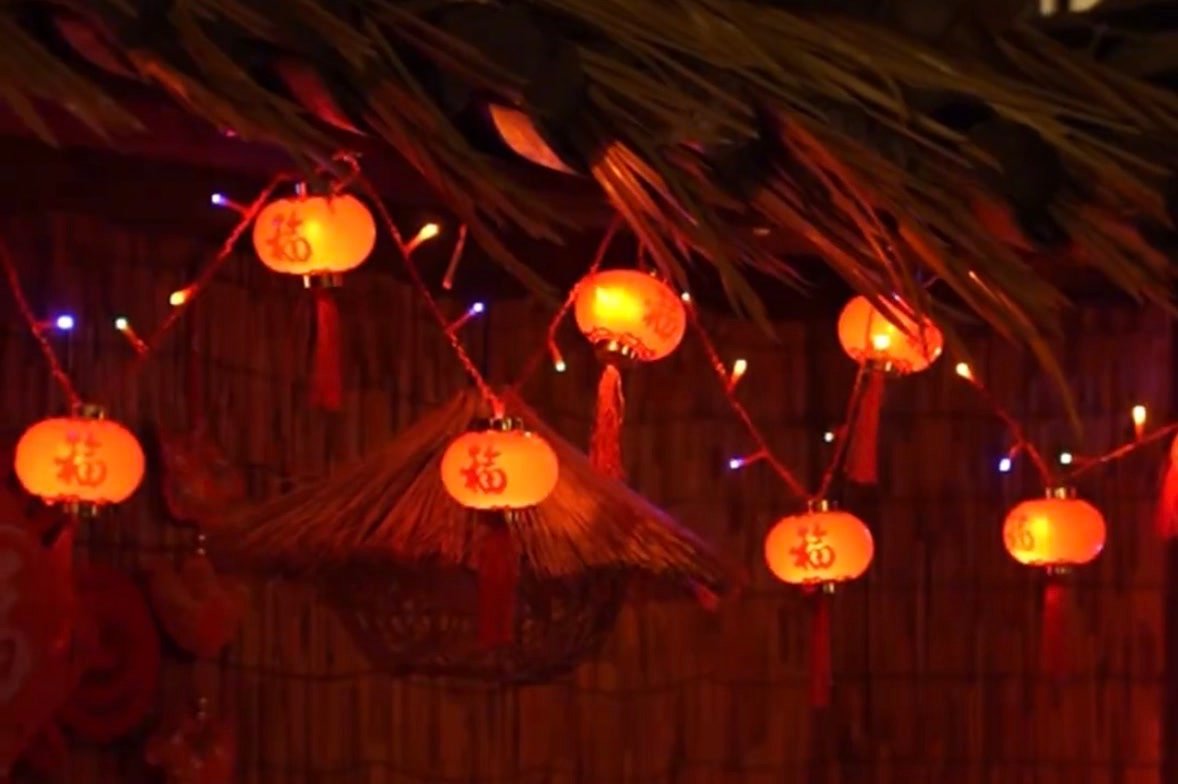
Check the lantern workmanship in daylight
In indirect daylight, compare the lanterns side by side. Look for differences in shape and red finish. Take one photo of the whole string with the sample label in view.
Photograph the seam and the hanging point
Photograph one lantern from the front, side and top. Get a close-up of the seam, the hanging point and where the trim meets the shell. If you spot a gap, uneven colour or a crooked fitting, photograph it next to an acceptable lantern in the same light. Note the sample ID and the lantern’s position on the string.
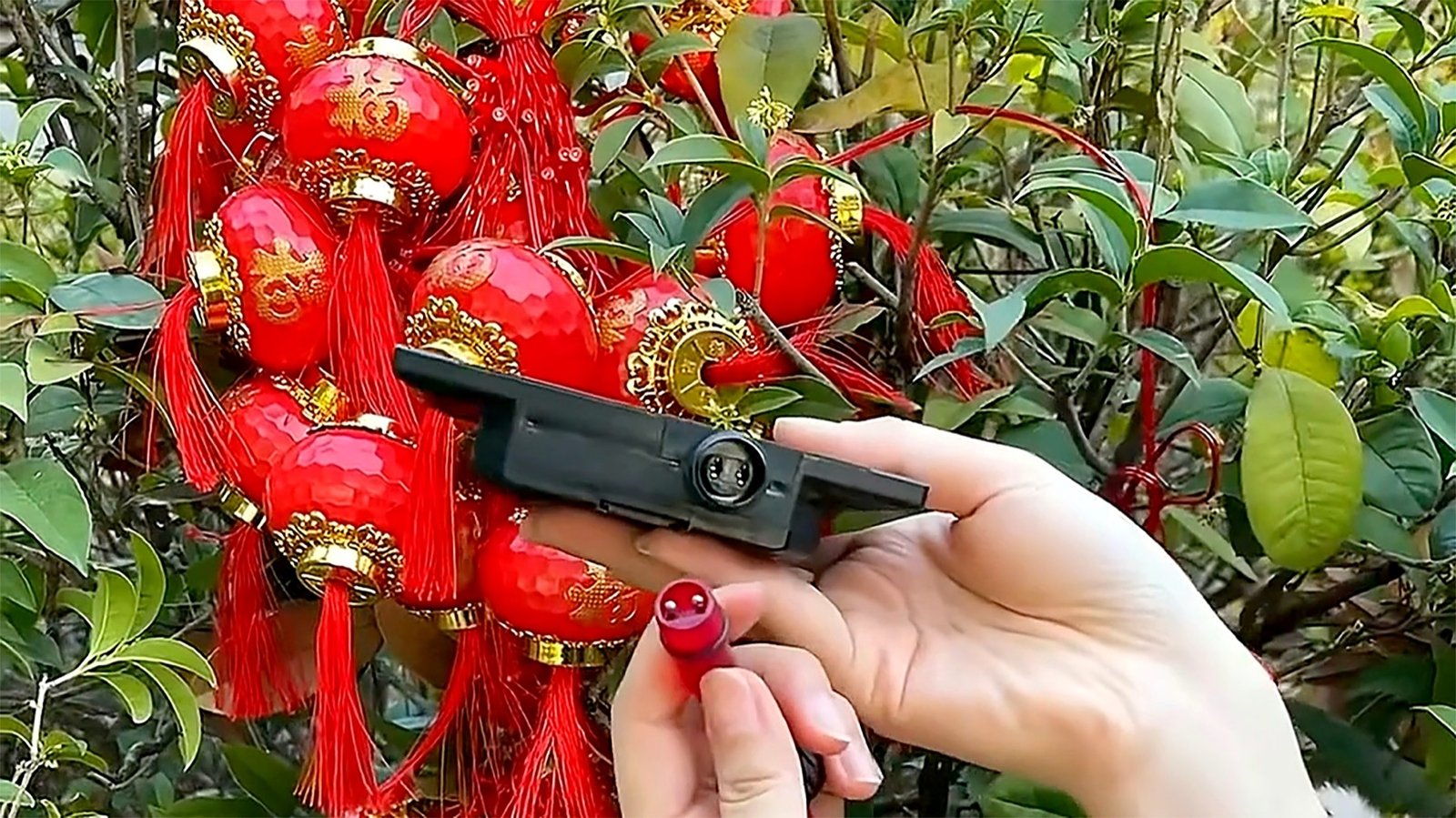
Agree on which differences are acceptable. For example, a visible seam may be fine if the edges sit flush. A gap or a lantern that hangs crooked may need a revised sample. Check any details the photos do not show on the sample itself.
Review the whole string after dark
Hang the same sample at the planned height and support points. Include any greenery or props. Turn on the lights normally used around the display, then stand where shoppers first see it. Note your viewing distance, the background light, any obstructions and the lighting mode.
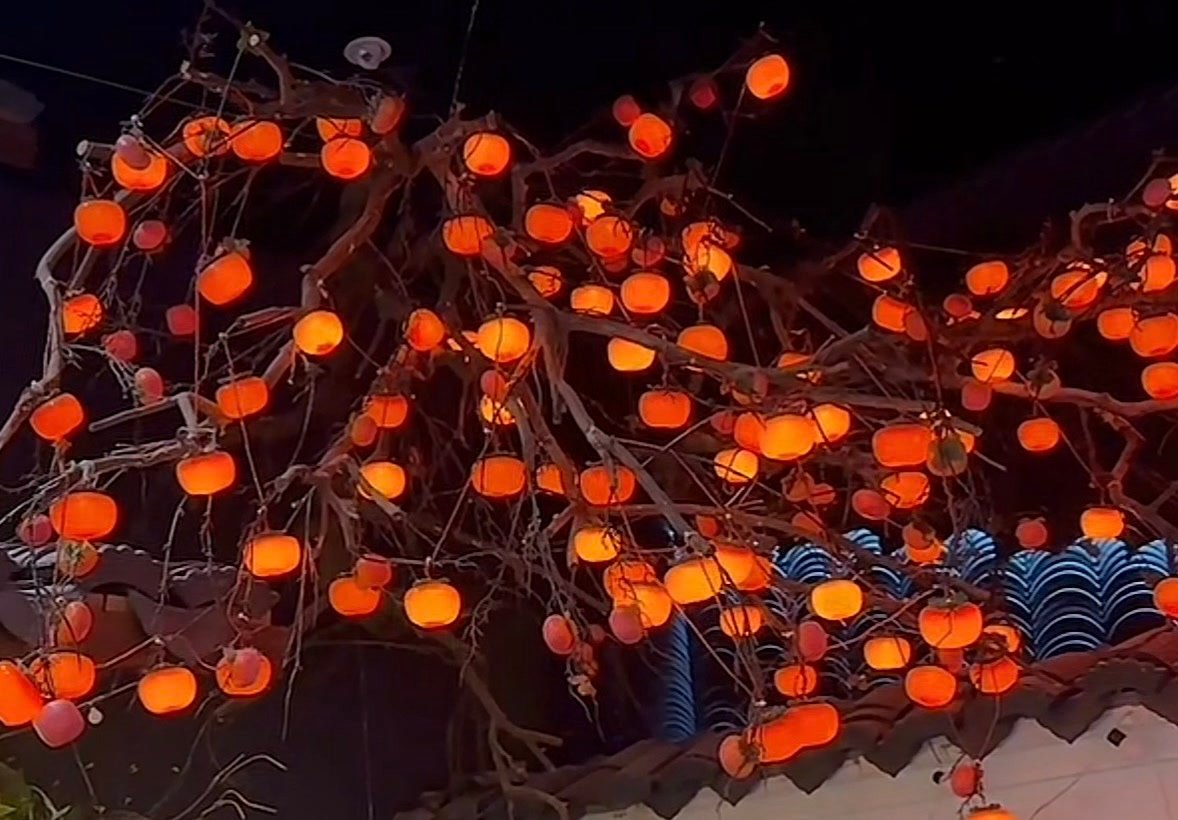
Look along the lit string from end to end. Can you make out each lantern? Look for uneven colour or brightness. If foliage blocks the view, adjust the setup and record the change. If a lantern still looks dim, mark its position for the supplier.
Take a wide photo from the shopper’s position and note the lighting mode. Write down what you saw on site, since a camera can change how colour and brightness look. Test solar charging and runtime separately.
Put the approved sample into the order
Count the lanterns and measure the centre-to-centre spacing. Note any gaps that differ. If either check falls short, list the fixes and agree what to check again on the revised sample.
When both checks pass, list the approved sample ID and revision, photo set and current specification in the purchase order. Agree with the supplier on which changes need fresh approval. Use the quality acceptance plan for batch inspection.
Red lantern sample approval
Copy this record and fill it in for one sample revision.
Sample details
- Buyer SKU / supplier model:
- Sample ID / revision / review date:
- Intended display / customer viewing position:
- Lantern count (actual):
- Centre-to-centre spacing (actual, with units and any end gaps):
Daylight workmanship
- Agreed criteria / acceptable variation:
- Observed workmanship / approved appearance:
After-dark display
- Agreed display criteria:
- Mode / brightness setting / approved mode:
- Background light / obstructions / viewing distance:
- On-site observations: outline, colour and brightness
- Evidence: daylight detail and wide night photo or clip IDs
Decision and sign-off
- Decision: Approve / Revise and retest
- Corrections / owner / due date / retest scope:
- Buyer / supplier sign-off / date:
- PO and specification revision:
Tell Couleelight where the lights will be displayed, how many sets you need and what you want to check on the sample.